
Introduction
So you are thinking about investing in Dubai real estate. That is exciting. But if you have started looking into it, you have probably noticed something. There are a lot of different organizations involved. The Dubai Land Department. The Real Estate Regulatory Agency. The Dubai Real Estate Corporation.
It can feel confusing at first. Who does what? Which one matters most to you as an investor?
Here is the thing. Dubai’s property market is built on a strong system of checks and balances. Several key regulatory bodies work together to keep things transparent and protect your investment. Understanding their roles is one of the smartest first steps you can take.
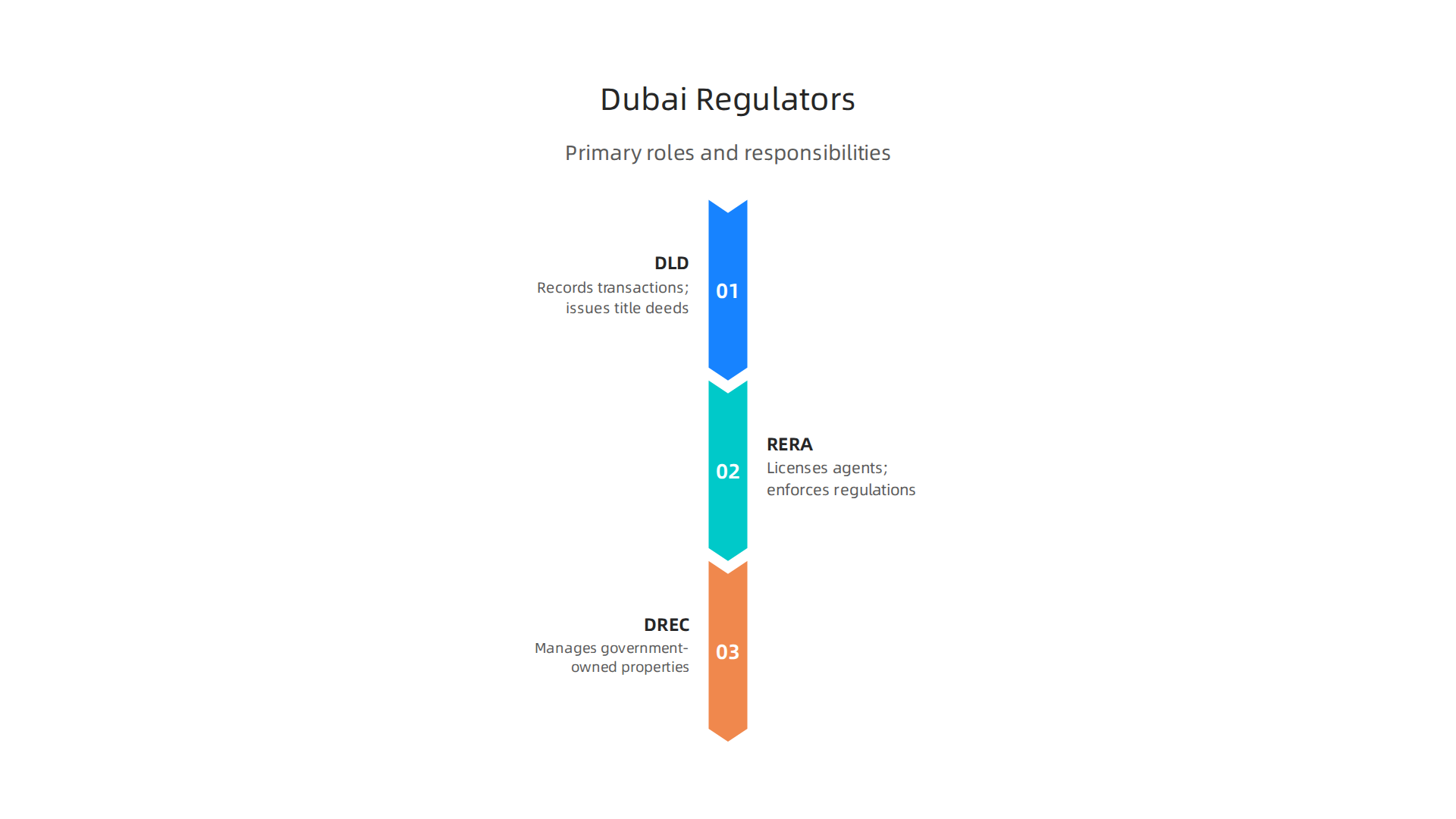
The Dubai Land Department (DLD) is the main government body. It documents every property transaction and issues official title deeds. Its regulatory arm, the Real Estate Regulatory Agency (RERA), handles licensing for developers and agents, supervises escrow accounts, and sets rules for owners associations. Together, they create the framework that makes Dubai one of the most transparent property markets in the world. For a deeper look at how these two bodies split responsibilities, check out this detailed explanation of DLD vs RERA roles.
Then there is the Dubai Real Estate Corporation (DREC). This public corporation manages all government-owned properties across the emirate. It owns, develops, and leases land and buildings for commercial, industrial, and agricultural use. DREC plays a huge part in shaping the city’s physical landscape.
In this guide, we will break down each major player in simple terms. You will learn what the Dubai Real Estate Corporation does, how the DLD registers every transaction, and how RERA keeps everyone in line. We will also show you how these bodies work together to create a market that is safe for both local and foreign investors.
When you know who is in charge, you can make decisions with more confidence.

To get a complete picture of today’s opportunities, read our data-driven analysis of the real estate market in Dubai 2026.
If you are ready to take the next step, feel free to connect with Ayaz Salman for a free consultation to discuss your investment goals.
But first, let us start with the basics.
The Cornerstone of Dubai Property Regulation: Understanding the Dubai Real Estate Corporation
Now let us zoom in on the Dubai Real Estate Corporation, or DREC. You might not hear about it as often as the Dubai Land Department, but it plays a massive role behind the scenes.
Think of DREC as the government’s own property company. It was set up in 2007 by His Highness Sheikh Mohammed Bin Rashid Al Maktoum. Its main job is to own, manage, and grow all the real estate that belongs to the Dubai government. We are talking about over 5,600 pieces of land for industrial, commercial, and agricultural use across the city.
What does this mean for you as an investor? It means the government has a direct stake in the market. DREC does not just sit on these assets. It develops them, leases them out, and even provides construction and marketing services. This active role helps shape which areas grow and what types of properties become available. According to the detailed Guide to Dubai Real Estate Corporation (DREC), DREC also works closely with other major players like Wasl to expand Dubai’s overall property portfolio.
The legal foundation for this body goes back to the official Law No. (14) of 2007. That law gives DREC the power to operate like a business. It can sign contracts, sue and be sued, and even set up branches outside Dubai. It answers to the Executive Council, which means its decisions align with the city’s big-picture goals.
So when you see new infrastructure, large commercial zones, or well-managed government land, DREC is often the force behind it.

Understanding its role helps you see how the biggest real estate companies in Dubai work together with the government to keep the market stable. For a complete look at who else shares this landscape, read our comparison of the top real estate companies in Dubai for 2026.
What is the Dubai Real Estate Corporation?
You might wonder how the Dubai Real Estate Corporation (DREC) fits into the bigger picture. We talked about its role as the government’s property company. But what is the Dubai Real Estate Corporation exactly compared to other bodies?
Simply put, DREC is the arm of the government that owns and runs its real estate.
The Dubai Land Department (DLD) is the main regulator for all real estate companies and transactions in the city. It makes the policies and does the market research for the whole sector. As the DLD’s official site explains, it provides integrated real estate services for everyone.
RERA works under the DLD to handle daily licensing and oversight.
DREC stands on its own. Instead of regulating others, it develops the government’s own land, manages leases, and forms partnerships with developers like Wasl. A Deep Dive into the Dubai Real Estate Corporation describes it as the custodian of government assets.
So, DREC does not regulate the market. It helps shape the market by developing large pieces of the city.
For investors, knowing this difference is gold. It helps you see which areas will grow and why. For a full view of how the market works in 2026, check out these Dubai property market data insights.
If you are thinking about buying, selling, or investing in Dubai, it helps to have a clear roadmap. You can connect with Ayaz Salman for a FREE Dubai Real Estate Consultation.
Key Functions and Responsibilities
So what does the Dubai Real Estate Corporation actually do day to day?
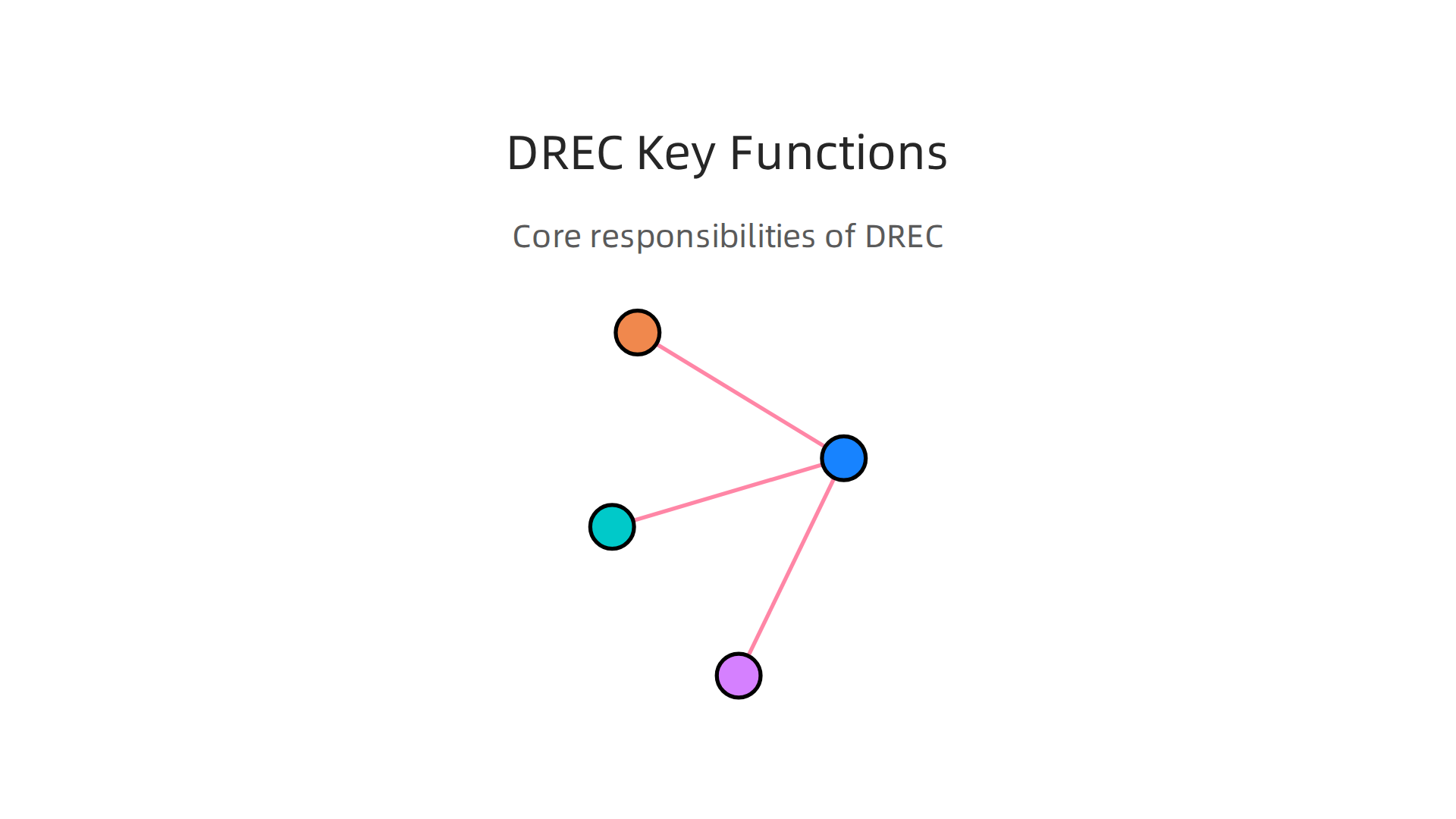
Its main job is to own and manage all the property that belongs to the Dubai government. This includes over 5,600 pieces of land for industrial, commercial, and agricultural use across the city.
DREC does not just sit on these assets. It actively develops them. That means building on the land, leasing it out, and finding ways to make it more valuable. It works closely with partners like Wasl to grow Dubai’s property holdings.
According to a Wasl guide to DREC, the corporation handles everything from land lease management to construction and marketing of government buildings.
Another big role is participating in urban planning. DREC works with other government bodies to shape how the city grows. This is a huge deal for investors because it means DREC helps decide which areas will get new infrastructure and development.
DREC operates like a business. It has its own budget and can sign contracts, sue, and be sued on its own behalf. This gives it the freedom to move fast on projects.
If you want to see how this compares to other government-backed players, check out this comparison of top real estate companies in Dubai for 2026.
That covers the main functions. Now you know who really controls the city’s most valuable land.
Now that you understand what the Dubai Real Estate Corporation does, let’s meet the other two bodies that control how property works in this city. Together they form the regulatory trio that keeps everything running smoothly.
The first and most visible one is the Dubai Land Department, or DLD. This is the main government authority that registers every piece of property in the city. DLD issues title deeds, tracks all sales, and makes sure ownership records are clean. It also runs the Oqood system for off-plan property sales. That system prevents developers from selling the same unit twice. For a closer look at how DLD handles everything from registration to enforcement, check out this what is Dubai Land Department (DLD) guide.
The second member of the trio is the Real Estate Regulatory Authority, or RERA. RERA works inside DLD but focuses on rules and compliance. It licenses real estate agents, monitors developers, and manages escrow accounts for off-plan projects. If you ever have a dispute with a landlord or developer, RERA is the place that steps in.
The third piece is DREC itself. As we covered, DREC owns and develops the government’s land portfolio.
So DLD handles registration, RERA enforces the rules, and DREC manages the assets. Together they create a stable and transparent market. If you want to see how this affects current investment opportunities, check out this Dubai property market 2026 insights article.
Navigating these three bodies can feel overwhelming at first. That is why having a trusted guide makes a huge difference. If you are thinking about buying, selling, or investing in Dubai real estate, get your FREE Dubai Real Estate Consultation to cut through the complexity.
The Role of the Dubai Land Department (DLD)
While registration and title deeds are DLD’s most famous jobs, the department does much more to keep the market healthy. One key role is providing official property valuations. If you need a valuation for a mortgage, inheritance, or property gift, DLD handles it. You can see the full list of services including property valuation and title deed modification on the Dubai Land Department – All Services page.
DLD also acts as the city’s real estate data hub. It publishes transaction records, price movements, and area-level statistics that help investors spot trends. This data powers the market transparency that makes Dubai attractive to foreign buyers. For a deeper look at how registration and data help international investors, check out this buying property in Dubai as a foreigner guide.
On top of that, DLD runs an investment platform that lets anyone search for completed sales, average prices per square foot, and rental values by community. This tool makes it easy to compare areas before you buy. Together with its valuation and market data services, DLD gives both new and experienced investors the confidence to make smart choices.
The Real Estate Regulatory Authority (RERA)
While DLD handles registration and market data, the Real Estate Regulatory Authority (RERA) is the enforcement arm that keeps everyone honest. RERA is part of DLD but has its own job: licensing every real estate developer and broker in Dubai. If someone wants to sell off-plan property, rent out apartments, or market a new tower, they must first get a RERA license. Without it, they cannot operate legally.
RERA also enforces strict rules on off-plan sales. Developers must open an escrow account for every project. This means your money is protected until construction finishes. RERA checks that developers follow the rules and that marketing materials are truthful. You can learn more about these protections in the about Dubai Land Department overview.
On top of licensing and escrow, RERA runs two essential systems. The Ejari system registers all rental contracts so both tenants and landlords have a clear record. And the Rental Dispute Settlement Centre helps solve conflicts between landlords and tenants without going to court. This makes renting in Dubai much safer.
RERA also works closely with the Dubai Real Estate Institute (DREI) to train and certify real estate professionals. And it sets rules for property owners associations so that communities are well managed. For anyone looking to work in real estate, understanding RERA’s role is the first step. If you are ready to start your own agency or need help with licensing, get a FREE Dubai Real Estate Consultation to walk through the process.
The Dubai Real Estate Corporation (DERC) – A Closer Look
While DLD registers transactions and RERA licenses professionals, the Dubai Real Estate Corporation (DERC) handles the bigger picture. DERC was created to unify the strategic direction of both DLD and RERA. Its main job is to own and manage government-owned properties across Dubai. This includes land for industrial, commercial, and agricultural use. You can get a detailed breakdown of DREC’s role from Wasl.
DERC also gets involved in large-scale master planning. It helps assess the economic impact of new projects. That way, new developments fit into Dubai’s long-term growth goals. On top of that, DERC leads important initiatives like the Real Estate Brokers Registration System. This system helps track and organize the many real estate companies operating in Dubai.
If you want to understand the full market, check out these Dubai real estate market 2026 insights. They will help you see how DERC’s work affects your investment choices.
Investor Protection Framework: How Regulators Safeguard Your Capital
So, how do these regulators actually keep your money safe? It comes down to a smart, multi-layered framework that protects you at every stage of the buying process.
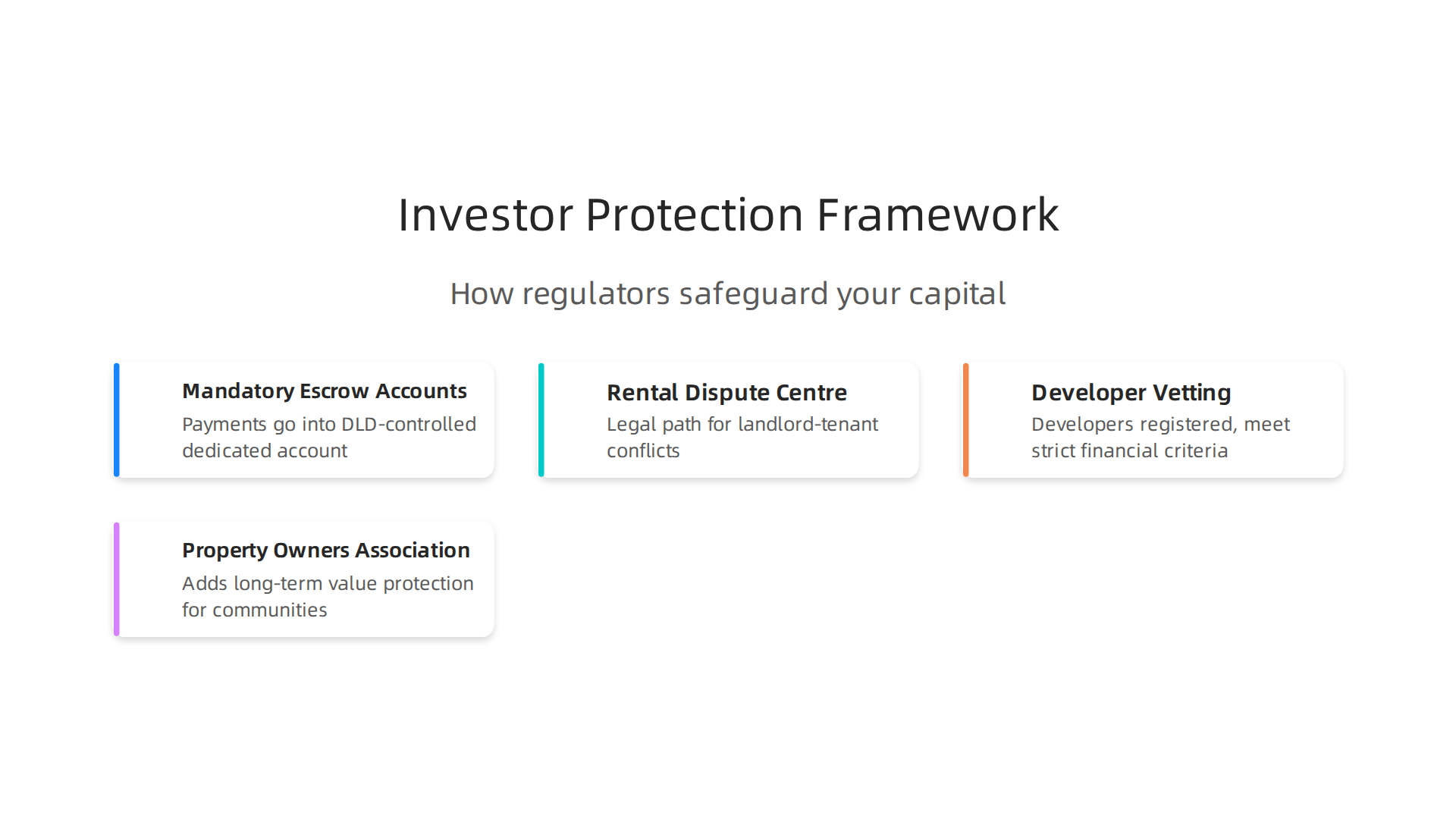
The strongest layer is the mandatory escrow account system. Every payment you make for an off-plan property must go into a dedicated account controlled by the Dubai Land Department. The developer only receives these funds after proving construction progress through official inspections. You can read the full details in the mandatory escrow account regulations. This setup protects off-plan property buyers by making sure your capital is only used for your specific project.
Beyond escrow, the Rental Dispute Settlement Centre provides a legal path for resolving landlord-tenant conflicts. This keeps the rental market fair and professional for everyone.
Finally, developers themselves are heavily vetted. This framework, spearheaded by the Dubai Real Estate Corporation and enforced by RERA, requires every developer to be fully registered and meet strict financial criteria before launching a project. This filters out unreliable players early. It is one reason the biggest real estate companies dubai has operate at such a high standard. The property owners association also adds another layer of long-term value protection for communities.
For new investors, this safety net makes Dubai one of the most transparent markets in the world. To see exactly how you can leverage these stable conditions, check out this data driven roadmap for investors.
If you want to navigate this safe market with expert guidance, you can connect with a specialist for a FREE Dubai Real Estate Consultation.

It is a simple way to start your investment journey with confidence.
Escrow Accounts and Off-Plan Sales
Let’s look more closely at how escrow accounts work in practice. When you buy an off‑plan property in Dubai, your money goes into a dedicated bank account that is strictly controlled by RERA and the Dubai Land Department. The developer cannot touch a single dirham until real construction progress has been verified.
This system is mandatory for every off‑plan project. Before a developer can even start selling units, they must open a separate escrow account for that specific project and get it approved by RERA. All buyer payments: from the first booking fee to the final instalment: must go directly into that account, never to the developer’s personal or company bank account. As explained in the detailed guide on escrow accounts in Dubai real estate, funds are released only in stages tied to completed milestones like foundation work, slab pouring, or handover.
The Dubai Real Estate Corporation, together with RERA, oversees every withdrawal. An independent engineer inspects the site, and only after the work is confirmed does RERA approve the release of funds. This means your capital is used exactly for your project: not for marketing, not for another development, and not for the developer’s other expenses.
This tight control is what reduces the risk of developer default and project abandonment. Even if a developer faces financial trouble, the escrow account still holds the money for your specific unit. For investors looking to make their first move, learning the full process is key. You can get a complete picture in this guide on buying property in Dubai as a foreigner.
If you are ready to start your off‑plan investment with a team that understands the rules, you can connect with a specialist for a FREE Dubai Real Estate Consultation. It is a simple, no‑obligation way to get expert help.
Rental Dispute Resolution Mechanisms
Renting in Dubai is common, but disagreements between landlords and tenants do happen. Issues like sudden rent hikes, unfinished maintenance, or unclear eviction terms can quickly turn stressful. The good news? Dubai’s regulatory system has a fast, straightforward way to handle these conflicts.
The Dubai Real Estate Corporation oversees the Rental Dispute Settlement Centre (RDSC). This is a dedicated court within RERA that handles all landlord-tenant cases. The centre is designed to be quick and affordable. You don’t need expensive lawyers for minor disputes, and the decisions are legally enforceable. That means if a landlord owes you a refund, you have the law on your side.
To protect yourself from day one, always use the Ejari system. Ejari registers your lease with the Dubai Land Department, making it official. This step is crucial. Without a registered tenancy contract, you lose many of the protections the RDSC offers. For a deeper look at ownership rights and regulations, you can explore a guide on freehold property in Dubai for foreign investors.
The same regulatory framework that protects off-plan buyers also safeguards tenants. Understanding this system can make your rental experience much smoother.
Navigating Free Zones: Governance in Dubai’s Specialized Economic Zones
Have you ever wondered why some areas in Dubai feel like their own mini cities? Places like Jumeirah Lakes Towers (JLT), Dubai Marina, and Business Bay are actually free zones. They come with their own set of property rules that differ from the mainland.
Here’s what makes free zones special. While the dubai real estate corporation oversees most real estate rules across the city, free zones add another layer of governance. For example, the Dubai Multi Commodities Centre (DMCC) authority manages JLT. This body sets its own guidelines for who can buy and how properties are used there. You still answer to the Dubai Land Department for title deeds and registration, but the free zone authority has a say too.
Foreign investors can own freehold property in these designated zones. That means 100% ownership with no local sponsor required. You get a title deed in your name, just like on the mainland. But the process for getting that deed might differ slightly depending on the free zone. Some zones require extra approval from their authority before the Dubai Land Department finalizes the transfer. For a clear breakdown of how this works, check out this Free Zone vs Freehold Property Dubai guide.
The biggest real estate companies in Dubai often operate across both free zones and mainland areas. Knowing which free zone you are looking at is key. Zones like Dubai Silicon Oasis cater to tech businesses, while JLT attracts SMEs. Each zone has its own vibe and rules. If you plan to buy through a company registered in a free zone, you need permission from that zone’s authority first. Some free zone companies can buy residential property, but only in freehold areas and with unique requirements.
The Dubai Real Estate Institute (DREI) offers training on these very topics. Understanding the differences between free zones and mainland ownership helps you avoid surprises. Whether you are looking at a sleek Marina apartment or a Business Bay office, always confirm which authority governs that specific plot.
Are you ready to find the perfect property in one of Dubai’s free zones but feel unsure about the steps? Get your FREE Dubai Real Estate Consultation with Ayaz Salman today. He can walk you through everything from zone rules to title deed processes so you invest with confidence.
Regulatory Bodies for Free Zone Properties
So who actually keeps things running smoothly inside each free zone? Every free zone has its own regulatory authority that watches over property deals. For example, the Dubai Multi Commodities Centre (DMCC) manages Jumeirah Lakes Towers, TECOM runs areas like Dubai Internet City, and Dubai Airport Freezone Authority (DAFZA) oversees its own zone. These authorities set rules on who can buy and how properties can be used within their borders.
Now here is a key thing to know. These free zone authorities often work hand in hand with RERA on licensing matters. RERA, part of the dubai real estate corporation, handles developer licensing across all of Dubai. So while the free zone body might approve a company to operate there, that same developer still needs RERA’s license to sell properties. This two-step process makes sure everyone meets the same professional standards.
Developers in free zones must also follow RERA’s strict escrow and marketing regulations. That means your money stays protected in a trust account regardless of which zone the project sits in. For a deeper look at how this system protects foreign buyers, read up on the specific rules for free zone companies buying property in Dubai. And if you want a full step-by-step roadmap, check out this guide to buying property in Dubai for foreign investors.
Differences in Title Deeds and Ownership
Here is where things get a bit different between free zone and mainland properties. In a free zone, your property is registered with the free zone authority, not directly with the Dubai Land Department (DLD). That said, many free zone properties still get entered into the DLD’s system for extra security. For a clear breakdown of how these two ownership types compare, check out this Free Zone vs Freehold Property Dubai 2026 Guide.
The title deed you receive for a free zone property often includes extra clauses that come from the free zone’s own rules. These might limit how you use the property or who can own it. So it is smart to read every detail carefully.
Also, not every free zone property gives you full freehold ownership. Some offer only a long leasehold for up to 99 years. You need to confirm which type you are getting before signing anything. If you want a deeper look at how freehold ownership works for foreign buyers, this guide on freehold property Dubai for foreign investors will help.
The dubai real estate corporation and its related bodies like the Dubai Real Estate Institute (DREI) work to make these rules clearer for everyone. But the best way to protect yourself is to talk to a local expert. If you are thinking about buying in a free zone, get a FREE Dubai Real Estate Consultation to make sure your title deed is correct and your ownership rights are solid.
The Future of Regulation: Trends and Digital Transformation
Dubai’s regulators are not slowing down. After tightening title deed rules and ownership laws, they are now pushing toward a fully digitized real estate system.
This shift affects everyone from property owners to the biggest real estate companies in Dubai. The dubai real estate corporation and its related bodies are leading this change.
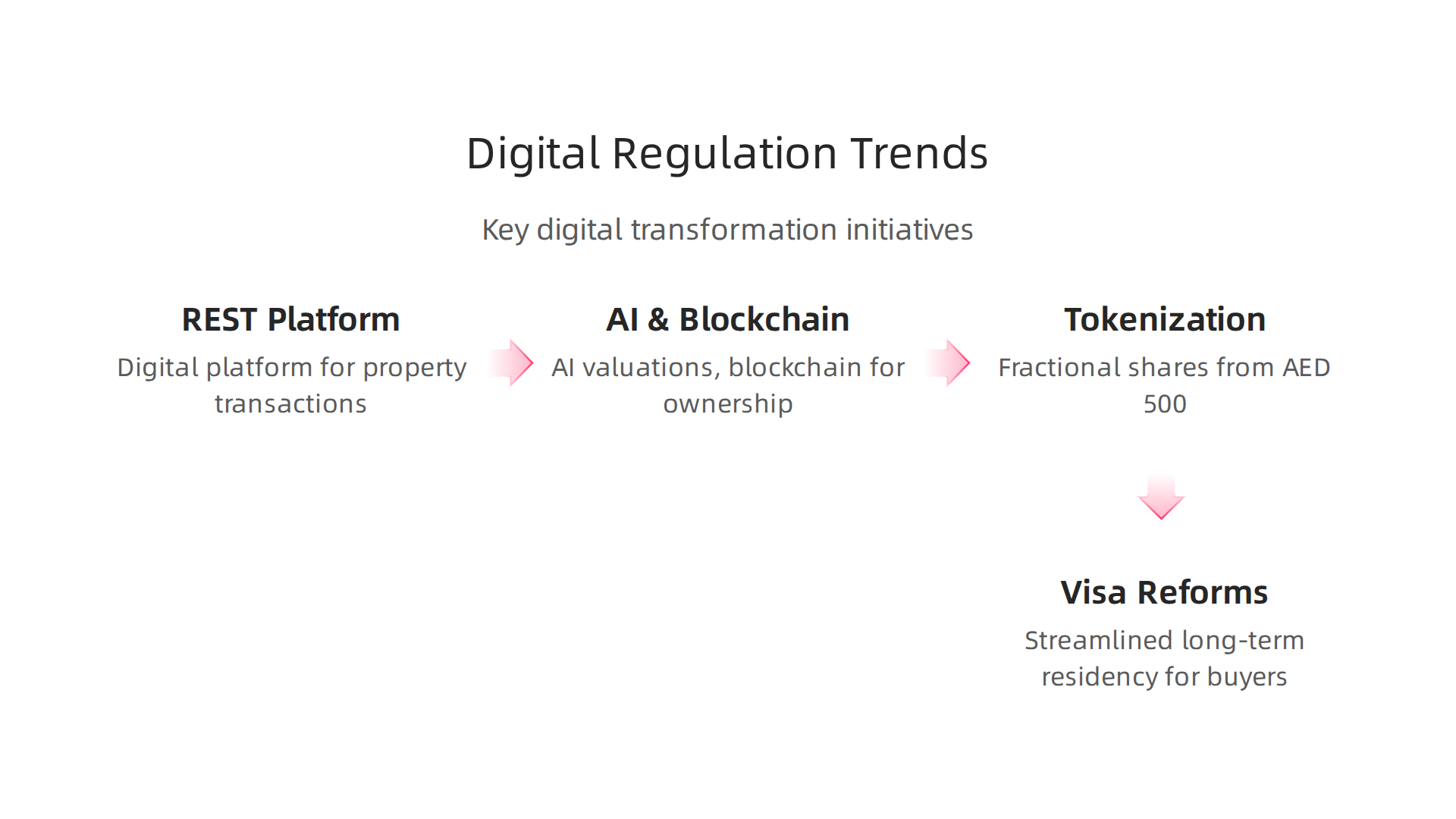
The biggest move so far is the Real Estate Self-Transaction (REST) system. This digital platform lets you complete many property transactions without visiting a government office. By 2025, the Dubai REST App had already processed over 320,000 transactions, according to a detailed analysis of RERA, DLD, and Digital Compliance in Dubai Real Estate. The system keeps getting smarter, with new features like AI-powered valuation tools and direct integration with rental databases.
Artificial intelligence and blockchain are also playing bigger roles. The Dubai Land Department launched a pilot project for real estate tokenization, making it the first registration authority in the Middle East to use blockchain for property ownership.
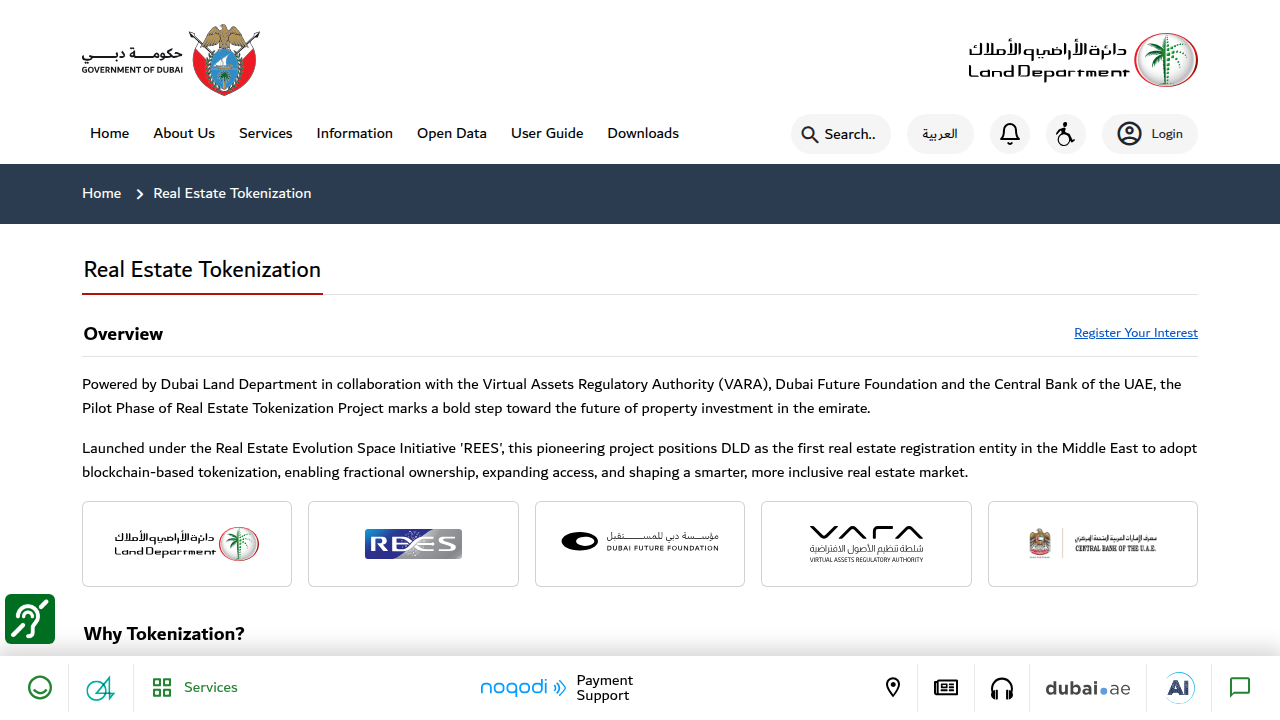
You can now buy fractional shares of a property starting from as little as AED 500. This opens the door for smaller investors who could not afford a full property before. The official Dubai Land Department Real Estate Tokenization page explains how this works.
AI is not just for valuations. Property platforms are using it to generate listing descriptions, power smart chatbots, and offer natural language search. A growing number of companies are adopting these tools as the new standard for 2026.
Regulation is also becoming friendlier to investors. Recent reforms have streamlined visa processes for property buyers, making it easier to get long-term residency when you invest. The changes include updating ownership laws to give foreign buyers more clarity and security. These updates, combined with digital tools, are helping the market grow in a steady and sustainable way. As the Dubai Housing Market 2026 report shows, the city’s population passed 4 million in 2025, and demand from residents and international buyers continues to support prices.
For anyone looking to stay ahead, understanding these digital shifts is key. If you want to see how the latest data and trends can shape your next move, read this guide on Dubai property market 2026 data-backed insights to invest with confidence.
Digital Platforms and Smart Services
The dubai real estate corporation works alongside agencies like the drei dubai real estate institute and the property owners association to offer smart digital tools that simplify property management. These platforms make transactions faster, safer, and more transparent.
The REST platform lets you complete direct property transfers without needing an intermediary.

This means lower costs and fewer delays. You can handle sales, transfers, and rental contracts through a single digital interface without visiting any government office.
The DLD Smart App gives you real time access to your title deeds and full transaction history. No more waiting for paper certificates. You get instant updates from anywhere in the world, which helps you track your portfolio and stay informed at every step.
Blockchain based registration is being piloted to add another layer of security. Every ownership change gets recorded on a permanent, tamper proof ledger. This system makes fraud much harder and builds stronger trust between buyers and sellers.
If you are comparing the biggest real estate companies dubai has to offer, knowing how these digital platforms work gives you a real advantage. For investors ready to put these tools to use, having a clear strategy matters just as much. Check out this guide on investing in Dubai with confidence to see how real time data supports smarter decisions.
If you are buying, selling, or investing and want to navigate these digital systems with an expert, connect with Ayaz Salman for a FREE Dubai Real Estate Consultation.
Recent Reforms and Their Impact on Investors
The Dubai government has rolled out several reforms in 2025 that make investing simpler and safer. The dubai real estate corporation, also known as the DLD, extended the grace period for title deed registration. That gives buyers more time to complete paperwork without late fees. The DLD also cut fees on certain property transactions. Lower costs mean more money stays in your pocket.
For foreign investors, new legislation cleared up ownership rules in freehold zones. You now have clearer rights when buying property. This change removes a lot of the guesswork and builds stronger trust in the market. If you are a foreign buyer, you will find the process much more straightforward.
On top of that, all new developments must now meet sustainability requirements. Developers need to include energy-efficient designs and greener materials. This raises property quality over time and can even boost long-term value.
These reforms touch every part of the market, from the drei dubai real estate institute training agents to the property owners association protecting tenant rights. They also help the biggest real estate companies dubai offers stay competitive. For a deeper look at buying as a foreigner, check out this freehold property guide for foreign investors in Dubai.
Summary
This article explains who runs Dubai’s property market and what that means for investors. It breaks down the three key players—Dubai Real Estate Corporation (DREC), Dubai Land Department (DLD) and the Real Estate Regulatory Agency (RERA)—showing how DREC develops and manages government land, DLD records titles and publishes market data, and RERA licenses operators and enforces rules like mandatory escrow accounts. You will learn how escrow, Ejari registration and the Rental Dispute Settlement Centre protect buyers and tenants, how free zones differ from mainland freehold ownership, and which digital trends (REST, tokenization, AI) are changing transactions. The guide also covers recent legal reforms and practical steps to check deeds, verify developers, and navigate free zone rules so you can invest or set up a real estate business in Dubai with more confidence.