Introduction: The Dubai Property Market at a Crossroads
You have probably seen the headlines. Dubai’s real estate market is breaking records again. And if you are thinking about investing in 2026, you are not alone. But here is the real question: how do you make sense of all the noise and actually find the right opportunity for you?
The numbers from 2025 tell a powerful story.

According to the Dubai Residential Market Report 2025, the city saw over 200,000 residential transactions worth AED 543.9 billion. That is a 19.5% increase in volume and a 28.3% jump in total value compared to 2024. Prices went up too. The average transaction hit AED 2.71 million, a 7.5% rise year over year.
These are not just big numbers. They signal a market with real momentum. But momentum also brings complexity. Whether you are a high net worth individual, an expat looking for a home, or a business owner scouting for space, you need reliable data to guide your choices. Questions pile up fast. Which communities deliver the best returns? Should you go off-plan or buy ready? How do Dubai property laws affect foreign buyers? What about rental yields and capital appreciation?
That is exactly why we created this guide. We cut through the information overload and give you clear, data-driven insights. Our goal is simple: help you make confident decisions about real estate investments in Dubai without getting lost in the hype.
Start your Dubai property research here. For a closer look at what the latest trends mean for your portfolio, check out our overview of the real estate market in Dubai. It breaks down performance across different communities and property types.
And when you are ready to take the next step, you do not have to go it alone. Get a FREE Dubai Real Estate Consultation to talk through your goals with someone who knows the market inside out.
Let this article be your starting point. We will cover the data, the neighborhoods, the legal side, and the smart strategies that turn market knowledge into real results.
Dubai Property Market Overview: 2025 in Review & 2026 Outlook
Let’s dig into the numbers that defined 2025. The market didn’t just grow. It exploded in nearly every metric. Off-plan sales were the main engine, capturing close to 70% of all transactions. Investors snapped up properties before they were even built, betting on future value.
According to Cavendish Maxwell’s FY 2025 residential market report, total transactions hit 200,800, a nearly 19% increase from the year before. Total sales value reached AED 541.5 billion, up almost 27%. That tells you two things. First, more people are buying. Second, prices are climbing.
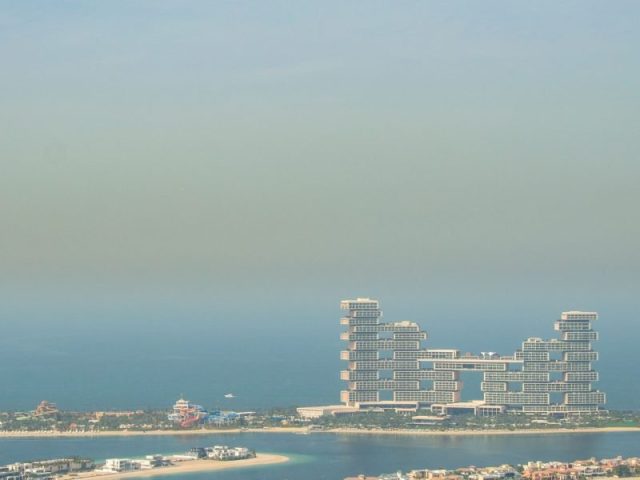
Apartments dominated the action, making up almost 83% of all deals. The average apartment sold for around AED 1.96 million. Townhouses averaged AED 3.25 million, and villas commanded a much higher AED 12.56 million. That luxury segment is a big driver, especially in prime areas like Palm Jumeirah and Emirates Hills.
But here is where it gets interesting for investors. Supply in those premium locations is very limited. That scarcity pushes capital appreciation. At the same time, newer communities like Dubai South, Dubai Creek Harbour, and Dubai Hills Estate are offering higher rental yields. They give you a better income stream while you wait for long-term price gains.
How about the broader economic picture? Dubai benefits from strong macro factors. Tourism is fully recovered and growing. Oil prices remain supportive of regional confidence. And the UAE dirham is pegged to the US dollar, which gives foreign investors currency stability. All of this keeps demand high.
Looking ahead to 2026, the momentum looks set to continue.

We expect transaction volumes to stay strong, though maybe not at the blistering pace of 2025. Off-plan will remain popular as developers launch new projects. Rental rates are also rising, which is good news for buy-to-let investors. If you are doing your dubai property research right now, focus on communities with a track record of solid rental occupancy.
For investors who want to base their decisions on actual data rather than guesswork, using a tool like Property Monitor Dubai 2026 gives you real-time market insights.
That kind of information is gold when you are trying to time your entry or pick the right neighborhood.
In short, 2025 set a high bar. But the foundations for 2026 look just as solid. Strong demand, limited supply in prime zones, and a supportive economic environment all point to continued opportunity. The key is knowing which segment of the market matches your goals.
Key Market Performance Indicators: Rental Yields, Capital Appreciation & Transaction Activity
To help you match the right segment to your goals, let’s look at the three numbers that matter most: rental yields, capital appreciation, and transaction activity.
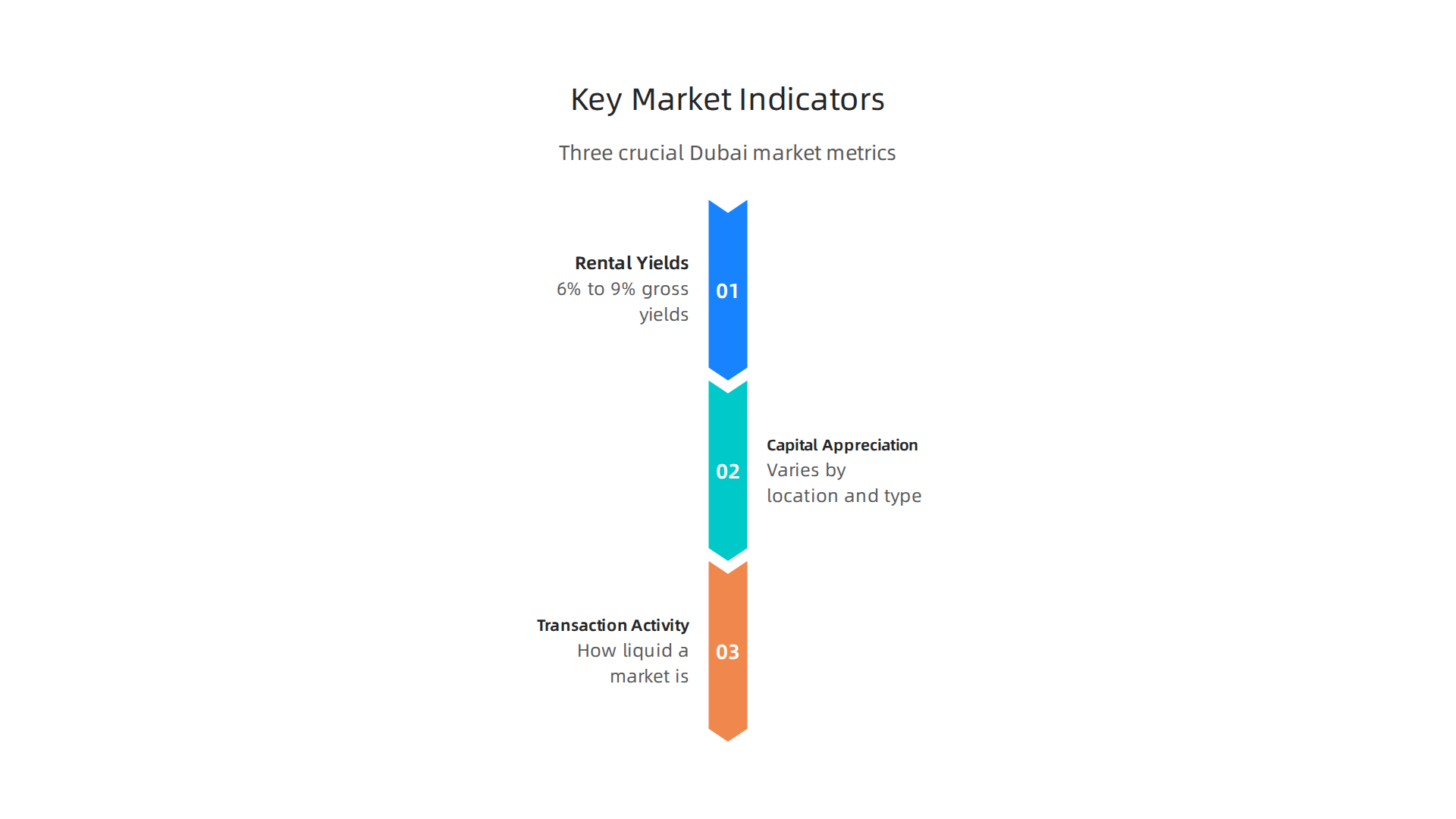
These indicators tell you exactly what a property will deliver in income and long-term growth.
Rental yields are where Dubai really shines. Compared to most global cities where 3% to 4% is normal, Dubai offers gross yields of 6% to 9% in established communities and over 10% in emerging areas. For example, Jumeirah Village Circle (JVC) consistently delivers 7% to 9% according to the latest best areas for rental yield in Dubai 2026 data.

Dubai South and Dubai Silicon Oasis also offer strong returns in the 7% to 8.5% range. Smaller units like studios and one-bedroom apartments tend to give the highest yields because they attract the most tenant demand. If you are looking at real estate investments in Dubai, focusing on these high-yield communities can give you a steady income stream while your property value grows.
Capital appreciation varies a lot by location and property type. Luxury areas like Palm Jumeirah and Dubai Hills Estate have seen double-digit gains in recent years, but growth is cooling to around 6% to 10% in 2026. Mid-market apartments in areas like JVC and Arjan are showing more modest appreciation of 1% to 3% annually, but they make up for it with higher rental yields. The key is to decide whether you want faster price growth or better cash flow. Many investors mix both strategies within their portfolio. To learn more about building a balanced approach, check out this guide on how to build wealth with Dubai real estate investment in 2026.
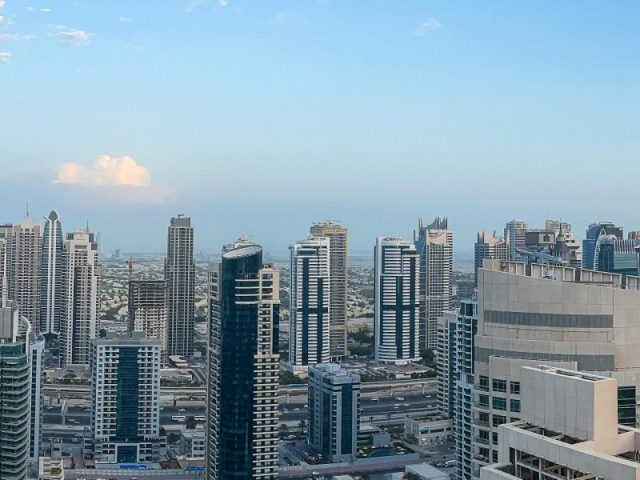
Transaction velocity tells you how liquid a market is. A liquid market means you can buy and sell quickly without a big price drop. In Dubai, off-plan resales are increasing, which is a strong sign of liquidity. Investors who bought off-plan a year or two ago are now selling their contracts before completion, often at a profit. This creates a healthy secondary market. Communities like Business Bay, Dubai Marina, and JVC have high transaction volumes, making them easier to exit if needed. When you do your dubai property research, always check how many units are trading each quarter in your target area.
Understanding these three indicators helps you avoid guesswork. You can pick properties that match your income needs, growth expectations, and exit timeline. If you want personalized guidance on which communities fit your specific investment goals, connect with Ayaz Salman for a FREE Dubai Real Estate Consultation and get data-driven advice tailored to your situation.
Off-Plan vs. Ready Properties: Weighing Returns, Risk, and Timeline
When you start looking at real estate in Dubai, the first big choice you face is this: buy off-plan or buy a ready property.
Both paths can make you money, but they work in very different ways. Your decision comes down to how much risk you can handle, when you need cash flow, and how long you want to wait for returns.
Off-plan properties are homes that haven’t been built yet. You buy them during the construction phase. The big advantage is a lower entry price. Developers offer flexible payment plans that spread your payments over months or years, so you don’t need all the cash upfront. This makes real estate investments in Dubai more accessible to people who want to spread their capital. The trade-off? You get zero rental income until the property is handed over. Your return is back-loaded. You’re betting on capital appreciation during construction and after completion. According to a detailed 2026 Dubai Real Estate ROI Analysis, off-plan buyers who choose well can see returns on cash invested as high as 25% per year on average because they put in only a fraction of the total price during the building phase. But there are risks: project delays, changes in market conditions by handover, and developer reliability. Dubai has strong escrow laws that protect buyers, but timing uncertainty remains.
Ready properties are already built and often already occupied or available to rent immediately. That means you start collecting rental income from day one. For many investors, immediate cash flow is the whole point. You also get asset certainty — you can walk through the unit, see the neighborhood, check the building quality. Ready properties typically appreciate more slowly than early off-plan entries, but the appreciation is more predictable. The downside is higher upfront capital. You need to pay most of the price at closing, plus agency fees and registration costs. And if you use a mortgage, your monthly payments start right away too.
So how do you choose? It depends on your goals:
- If you want maximum long-term growth and can wait a few years for income, off-plan might be your path.
- If you need monthly rental income now and prefer lower uncertainty, a ready property fits better.
Your dubai property research should start by being honest about your timeline and comfort with unknowns. If you’re still learning the market, ready properties give you a safer entry. If you’re experienced and want to stretch your capital further, off-plan pricing can deliver higher returns.
To dive deeper into the buying process for either option, check out this complete guide on buying property in Dubai as a foreigner in 2026.
Still not sure which path fits your goals? Get personalized advice without any sales pressure. Connect with Ayaz Salman for a FREE Dubai Real Estate Consultation and clarify your best next move.
Top Investor-Friendly Communities in Dubai for 2026
Choosing the right neighborhood is one of the most important steps in your dubai property research. The community you pick directly affects your rental income, your property’s long-term value, and how easy it is to find good tenants. In 2026, three areas stand out for different reasons.
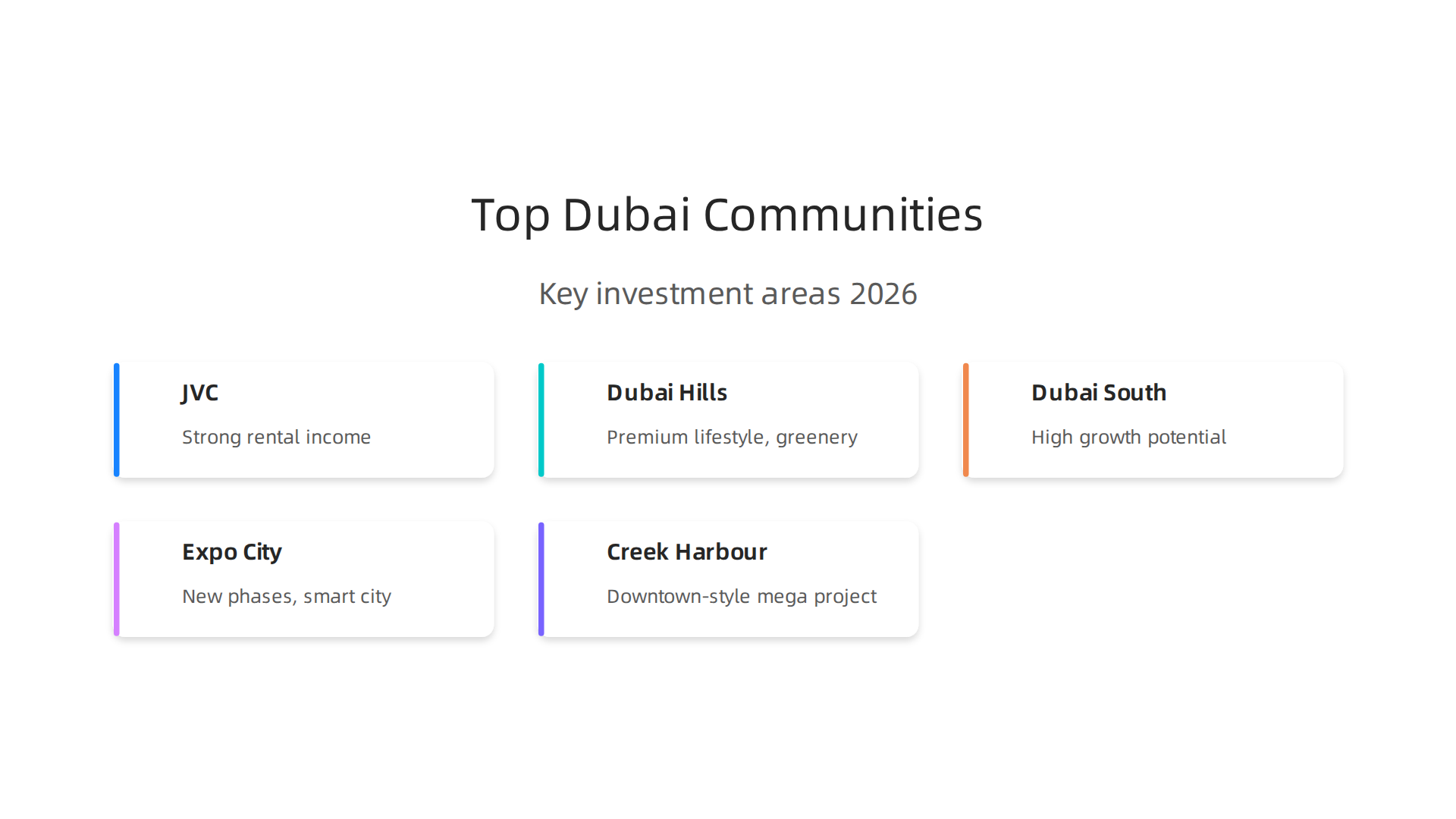
Jumeirah Village Circle (JVC) is the proven workhorse for rental income. This master-planned community offers gross rental yields ranging from 7% to 9%, which puts it among the top performers in the city. JVC attracts young families and professionals who want affordable homes close to central Dubai. Parks, schools, and retail are all built into the plan, so tenants stay longer. According to a 2026 report on the best areas for rental yield in Dubai, JVC continues to rank as one of the highest-yielding communities in the emirate.
Dubai Hills Estate takes a different approach. It targets families and end-users who value space, greenery, and a premium lifestyle. Often called the Beverly Hills of Dubai, this community features a championship golf course, lush parks, and top-rated schools. Rental yields here sit between 5% and 7%. That is lower than JVC, but the trade-off is extremely high occupancy and stable capital appreciation. The 2026 market forecast for Dubai real estate investment returns highlights Dubai Hills as one of the most stable residential communities in the city.
If you want a safe long-term home for your capital, this area is hard to beat.
Dubai South is the emerging star for investors who want growth potential. Located near the new Al Maktoum International Airport, this area is still in its early stages. That means lower purchase prices and higher yield potential. Gross rental yields here range from 7% to 9%, similar to JVC. But the real upside is future infrastructure. As the airport expands and new transport links open, property values are expected to climb. Dubai South is ideal if you have a longer time horizon and want to buy before prices rise significantly.
For investors who want to get in early on new developments, Expo City and Dubai Creek Harbour are worth watching. Expo City is building on the legacy of the World Expo with new residential phases and smart city features. Dubai Creek Harbour promises a massive downtown-style development with a tower taller than Burj Khalifa planned. Both areas offer off-plan opportunities with strong appreciation potential for those willing to wait a few years.
Location quality, master-plan design, and transport connectivity are what separate a good investment from a great one. Communities with strong infrastructure connections and built-in amenities consistently outperform areas that lack them. The same principle applies whether you are looking at dubai properties for sale or already own a unit. If you want to explore how to research these factors in more detail, the full real estate market Dubai 2026 guide provides side-by-side comparisons of each community. You can also track live price trends with the latest Property Monitor data to see which neighborhoods are gaining value fastest.
The bottom line is simple. If you want maximum cash flow today, JVC or Dubai South will serve you well. If you prefer stability and lifestyle appeal for the long run, Dubai Hills is a strong choice. And if you are looking for early-entry growth, Expo City and Dubai Creek Harbour offer serious upside for patient investors.
Navigating Dubai’s Real Estate Regulations: A Guide for Foreign Investors
Let’s be honest. When you first look at real estate in dubai, the rules can feel confusing. But here is the good news. Dubai has built one of the most investor-friendly legal systems in the world. As a foreigner, you can buy freehold property in more than 40 designated areas across the emirate. You do not need a local sponsor. You do not need to live here. And you get full ownership of both the property and the land it sits on.
The whole process is managed by three main bodies. The Dubai Land Department (DLD) handles property registration and ownership records. The Real Estate Regulatory Authority (RERA) oversees developers and ensures fair practices. If you buy off-plan, your payments go into a government-protected escrow account under Law No. 8 of 2007. That means your money stays safe even if the developer runs into trouble.
When you buy, you pay a 4% transfer fee to the DLD. On a AED 1 million apartment, that is AED 40,000. That fee is the single biggest closing cost. For off-plan purchases, you also need an Oqood registration, which officially records your sale with the government.
Now, here is the part that has changed dramatically in 2026. In April, Dubai removed the AED 750,000 minimum property value requirement for the two-year investor residence visa. As the 2026 updates show, single property owners can now apply for the visa with no minimum value at all, and joint owners each need only AED 400,000. This change means almost any property purchase can unlock residency in 10 to 15 working days. For those aiming higher, the 10-year Golden Visa requires a AED 2 million investment.
Beyond visas, the tax benefits are huge. Dubai charges zero income tax on rental earnings and zero capital gains tax when you sell. You keep 100% of your profit.
To see the full step-by-step process including documents and costs, read our guide on buying property in Dubai as a foreigner. It walks you through every stage from offer to title deed.
Many investors worry about getting lost in paperwork.

That is why having a trusted expert by your side makes a real difference. If you are ready to buy, sell, rent, or invest in Dubai, connect with Ayaz Salman for a free consultation. He can help you navigate the regulations and find the right property for your goals.
Understanding the laws is your first step. The next step is taking action with confidence.
Building a Diversified Property Portfolio in Dubai
Now that you understand the rules and structure, let’s talk about strategy. The smartest investors in real estate in Dubai do not put all their money into one single property. They build a diversified portfolio.

Spread across different assets, locations, and buying strategies.
Why does this matter? Because markets move. A downturn in one area might not affect another. And when you spread your risk, your overall returns stay more stable.
Mix Property Types to Balance Risk
A well-balanced portfolio includes different asset types. Apartments are easy to rent and sell. Villas and townhouses tend to appreciate faster. Commercial properties like offices or retail spaces offer higher rental yields but come with different risks.
You can also look into hospitality properties. Short term rentals in tourist areas like Dubai Marina or Palm Jumeirah can generate strong income, especially during peak seasons. This mix of residential, commercial, and hospitality assets helps you avoid depending on a single market.
According to a detailed investor guide, a resilient portfolio is a diversified one. Apartments deliver liquidity and income, while villas often provide stronger capital appreciation. Combining residential formats and price segments helps spread risk and adapt to market shifts.
Blend Off-Plan and Ready Properties
Earlier you learned the difference between off-plan and ready units. The best portfolios use both.
Off-plan properties give you higher potential capital appreciation. You buy at a lower price and wait for the value to grow. But you get no rental income until handover. Ready properties cost more upfront but start generating cash flow immediately.
Mixing them works like this. Use off-plan purchases to build long-term equity. Use ready properties to cover your monthly costs with rental income. As the 2026 Dubai real estate ROI analysis explains, off-plan investments are ideal for longer holding horizons and future income streams, while ready properties offer immediate rental yield and faster liquidity.
A common mistake is buying only off-plan because it looks cheaper. But if the market cools at handover, you might struggle. Having ready assets that produce cash gives you breathing room.
Spread Across Different Communities
Dubai has more than 40 freehold areas. Each community has its own character, price range, and tenant demand. Do not buy two apartments in the same building or even the same neighborhood. Spread your investments across different locations.
For example, you could own a studio in Downtown Dubai for short-term rentals, a two-bedroom apartment in Jumeirah Village Circle for long-term family tenants, and a villa in Arabian Ranches for capital growth. If demand drops in one area, the others may stay strong.
Geographic diversification reduces location-specific risk. A guide to diversifying your investment portfolio with Dubai real estate recommends exploring different property types, locations, and rental strategies to maximize returns while enjoying the security of Dubai’s thriving market.
Plan Your Exit Before You Enter
Smart investors do not just think about buying. They think about selling. Decide early whether you plan to hold for rental income, flip after handover, or refinance to pull equity. Each goal changes the type of property you choose.
Following a structured investment plan helps you stay disciplined. Our guide on how to build wealth with Dubai real estate walks you through the exact steps to create a portfolio that grows over time.
Diversification does not mean owning ten random properties. It means owning the right mix that protects you when the market shifts and rewards you when it rises. Start small, choose wisely, and build layer by layer.
Expert Strategies for Mitigating Market Volatility and Risk
You already know diversification is your first line of defense. But to truly protect your capital in the real estate in Dubai market, you need a few more tools in your kit.
Think of these as your safety net when the market feels uncertain.
Lead with Data, Not Hunches
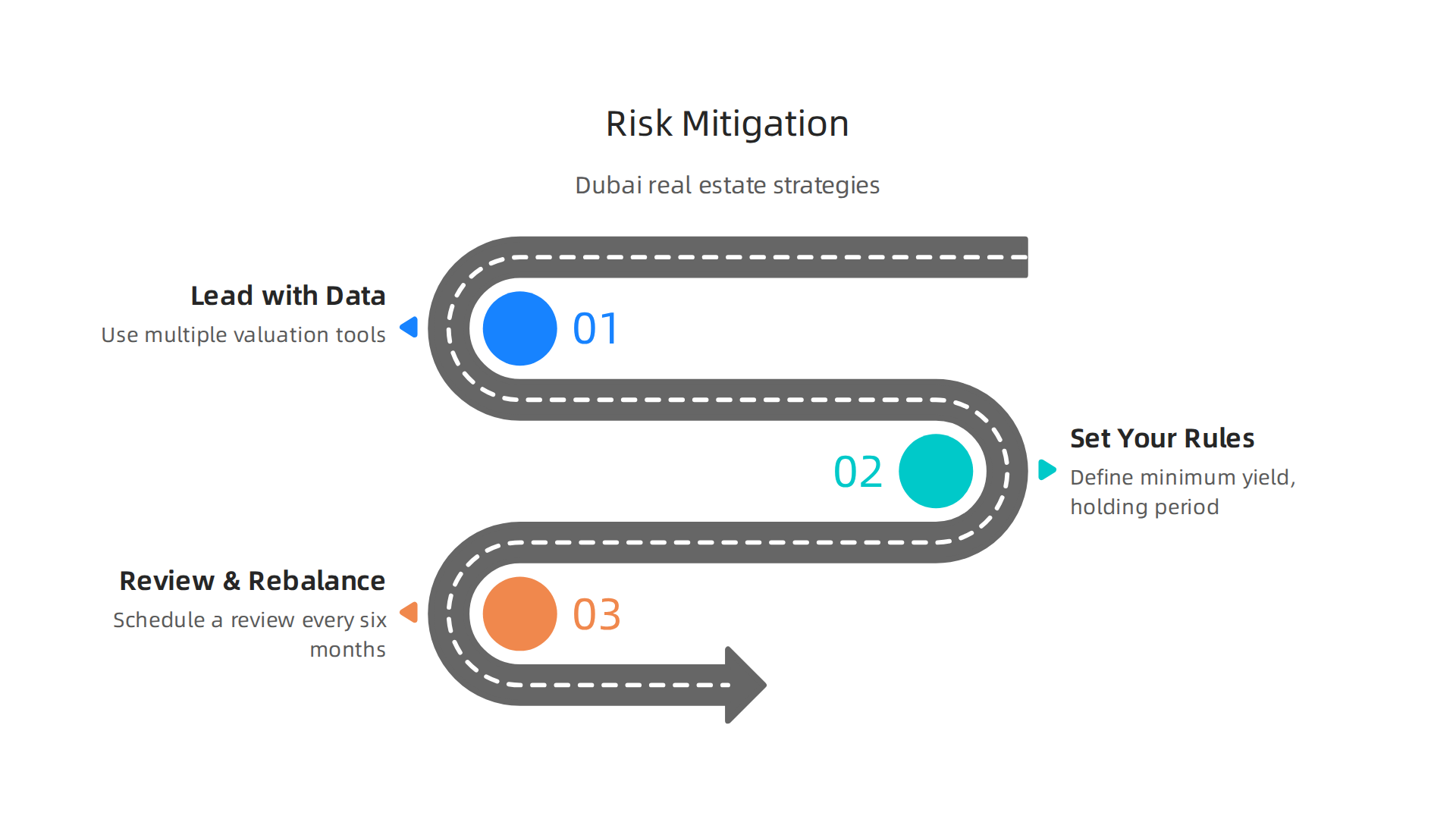
The biggest mistake new investors make is trusting what a single agent tells them. Instead, let the numbers guide you. Use multiple valuation tools to check property prices. Look at rental comparables for similar units in the same area. Track sale histories and occupancy rates over the last 12 months.
This data removes emotion from your decisions. A stunning view might feel great, but if the rental yield is below your target, it is not a smart investment. Following a data-driven roadmap for investors ensures you base every choice on facts, not feelings.
When you rely on solid research rather than one person’s opinion, you avoid overpaying and pick properties with real demand.
Set Your Rules Before You Shop
Before you even open a property listing, write down your investment criteria. Decide on a minimum rental yield. A common floor in Dubai is 6% to 8%, but you can set yours higher. Choose your holding period: three years, five years, or longer. And most importantly, define your exit strategy.
Will you sell after handover? Refinance to pull equity? Hold for long-term rental income? Knowing this upfront keeps you from making emotional purchases. As noted in the 2026 guide to Dubai property investment, investors who start with clear goals and realistic budgets make smarter choices and stick to their plan. That clarity prevents the regret that comes from impulse buys.
Review and Rebalance Regularly
Market conditions shift. Your portfolio should shift with them. Schedule a review every six months or at least once a year. Look at each property’s performance. Is the rental yield still on target? Has the neighborhood changed? Are new developments affecting property values?
If one area is slowing down while another is booming, it might be time to sell and reinvest. Many successful investors are shifting their focus from chasing high yields toward protecting capital. As the shift from yield to wealth preservation in 2026 explains, owning property that stays relevant through economic changes gives you a buffer against market swings. That means choosing developments with trusted master developers and assessing long-term lifestyle appeal.
Rebalancing does not mean selling everything. It means making small adjustments to keep your portfolio healthy. For example, if too much of your wealth sits in one type of property, you may want to spread into other areas or even other asset classes.
The Bottom Line
Mitigating risk is not about avoiding all losses. It is about being prepared so that no single event can wipe you out. Use data, set clear rules, and review regularly. And when you need personalized guidance, do not hesitate to get a FREE Dubai Real Estate Consultation from an expert who knows the market inside out. Taking that step could be the smartest risk management move you make.
Summary
This guide cuts through the headlines to explain why Dubai’s 2025 property boom matters for investors in 2026 and how to act on it. It reviews the key market metrics—transaction volumes, price movement, rental yields and capital appreciation—then compares off‑plan versus ready properties so you can match choices to your cash‑flow and growth goals. You’ll find practical neighborhood recommendations (JVC, Dubai Hills, Dubai South and emerging hubs), a clear rundown of foreign buyer rules and recent visa changes, plus portfolio construction and risk‑management tactics. The article emphasizes data‑driven decision making, points to tools and reports to track live trends, and offers next steps including a free consultation to turn insights into a concrete buying or investing plan.