Why inspection and DLD status matter for every Dubai buyer
Buying property in Dubai is a very exciting journey in 2026. Whether you want a new home or an investment, Dubai’s real estate market has many opportunities. But to make a smart choice, you need to be very careful. This means doing two main things: a full property inspection Dubai and checking the property’s legal facts with the Dubai Land Department, also known as DLD.

These steps are super important to protect your money and make sure your buying real estate in Dubai goes smoothly.
Think of it like buying a car without looking under the hood. A good property inspection Dubai helps you find any hidden problems with the building. This could be anything from leaky pipes, cracks in walls, or problems with electricity. If you don’t know about these issues early, they can cost you a lot of money later. These unexpected repair costs can change the true price of the home, make it harder to close the deal, and even lower your property’s value over time. Knowing about problems early lets you ask the seller to fix things or negotiate a better price.
Just as important as checking the physical state is understanding the property status DLD. The Dubai Land Department is the official government office that keeps records of all properties in Dubai. Checking with them is very important when buying real estate in Dubai. It tells you for sure who truly owns the property and if there are any legal issues. For example, the DLD can show if the property has a loan against it, any unpaid fees, or if someone else has a claim on it. You can check a title deed using the DLD website or the Dubai REST app to see if it’s good to go, has a mortgage, or other limits
Dubai Property Due Diligence Checklist: 15 Things Every Investor Should Know. Without this check, you could buy a property with hidden legal problems, which would cause big trouble later. Making sure the property is correctly listed with the DLD is a key part of how to buy Dubai property safely.
So, when you are thinking about buying real estate in Dubai, remember that a technical inspection looks at the actual condition of the property. The DLD status check, on the other hand, deals with the legal details and ownership. Both of these checks work together to help you avoid surprises and make a smart investment. For a more complete guide on the buying process, learn more about how to buy properties in Dubai in 2026.
If you’re ready to explore your options or need expert advice on property inspection Dubai or DLD status, consider reaching out for a FREE Dubai Real Estate Consultation.
What a property inspection covers in Dubai — scope and types
A property inspection Dubai is not a single thing. It’s actually a few different kinds of checks, each for a special purpose. Knowing which type of inspection you need and what it covers is important when you’re buying real estate in Dubai. These checks help you know what you are truly getting and protect your money.
Different Types of Property Inspections
When you are thinking about buying a property, there are a few main types of inspections:
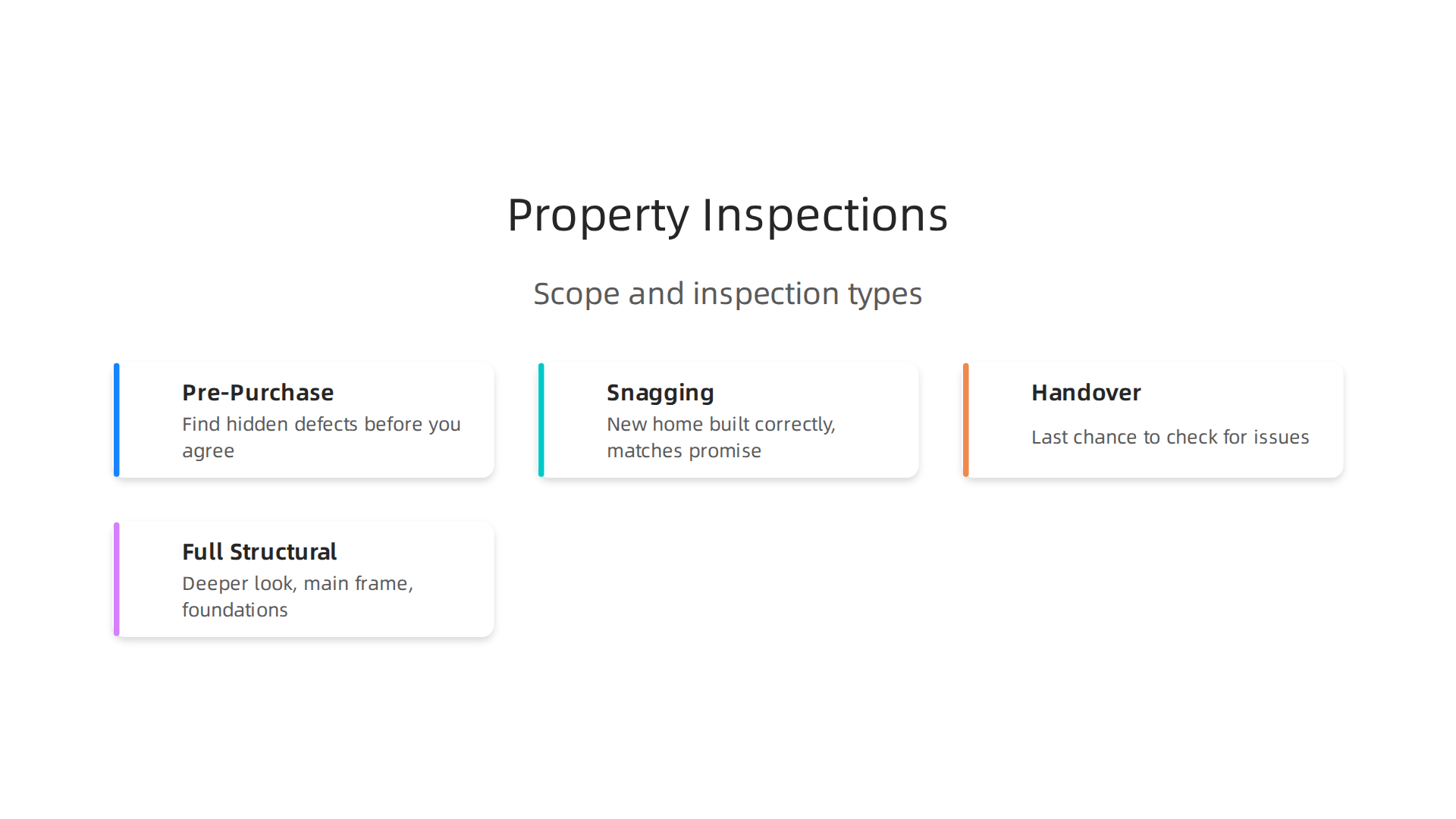
- Pre-Purchase Inspection: This is the most common type for homes that are already built and lived in (also called "ready properties"). A professional inspector looks at the whole property to find any major problems. They check things like the building’s outside walls, the roof, windows, doors, electrical systems, and plumbing.
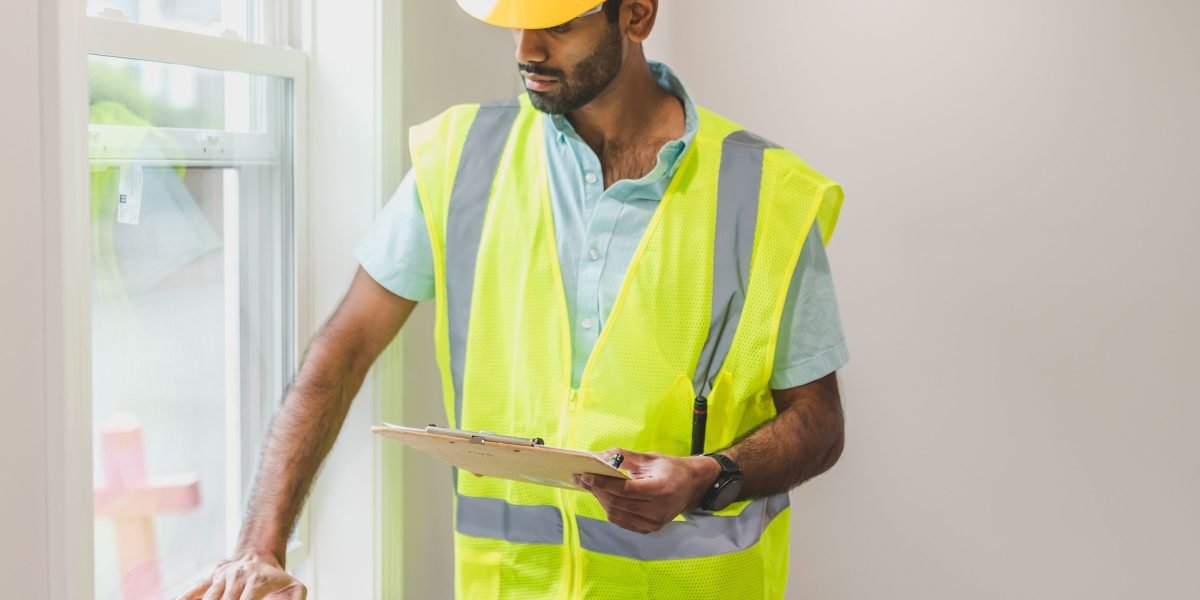
They also look inside for issues with ceilings, floors, and walls. The goal is to find hidden defects before you agree to buy the home.
- Snagging Inspection (for Off-Plan Properties): If you are buying a brand-new home that is still being built or has just been finished (an "off-plan property"), you will need a snagging inspection. This check happens before you get the keys. It makes sure that everything in your new home has been built correctly and matches what you were promised. Inspectors look for small flaws or "snags," such as paint problems, uneven tiles, cabinets not fitted right, or faucets that do not work well. They check every room, from bathrooms to kitchens, making sure all parts are in good condition and work properly Dubai Property Snagging Checklist & Inspection Reports ….
- Handover Inspection: This is very similar to a snagging inspection. It happens at the time you are officially handed the keys to your new property. It is your last chance to check for any issues with the builder before you take full ownership. Inspectors will check all the same things as in a snagging inspection, making sure everything is perfect according to the building plans and quality standards. This includes checking exterior parts like balconies and drainage systems, as well as internal finishes and systems Property Handover Checklist Dubai 2026.
- Full Structural Survey: This is a much deeper look at the property. It is usually needed for older homes or if a regular inspection finds signs of serious structural problems. A structural engineer will check the building’s main frame, foundations, and load-bearing walls. This type of inspection can tell you if the building has problems that might make it unsafe or very costly to fix.
Who Performs These Inspections and What You Get
Different experts do different types of property inspections:
- Licensed Surveyors: For pre-purchase, snagging, and handover inspections, you’ll hire a licensed surveyor or a specialized property inspection company. These professionals have the right training to spot common and even not-so-common defects in properties.
- Structural Engineers: For a full structural survey, you need a qualified structural engineer. They are experts in how buildings are put together and can assess if the bones of the house are strong and safe.
- MEP Specialists: Sometimes, for a very detailed check of the mechanical (like air conditioning), electrical, and plumbing systems (MEP), specialists in these areas might join the inspection team.
After the inspection, you will receive a detailed report. This report usually includes:
- A summary of the property and the inspection.
- A clear list of all problems found.
- Photos of each issue.
- Notes explaining what is wrong and what needs fixing.
- Suggestions on how to fix the problems.
- A rating of how urgent each issue is (for example, cosmetic, functional, or safety risk).
This report is a very important tool for you. It helps you decide if you still want to buy the property, or if you need to ask the seller to fix things or lower the price. Getting a good property inspection Dubai is a smart move for any person buying real estate in Dubai. It helps you make clear choices and protects your future investment. To help you make smart choices, explore resources like a Dubai real estate investment toolkit.
While a property inspection Dubai helps you understand the physical state of a home, there’s another very important step when buying real estate in Dubai: understanding its official status with the Dubai Land Department, or DLD. The DLD is like the government office that keeps all the important records for land and properties in Dubai. Checking the property status DLD is just as vital as checking the walls and roof. It protects your money and makes sure your ownership is clear.
The Role of the Dubai Land Department (DLD)
The Dubai Land Department is in charge of all real estate matters in Dubai. They record who owns what, when property changes hands, and all the rules for buying and selling. Think of them as the main record keeper. Their job is to make buying a home safe and clear for everyone. Knowing the property’s status with the DLD tells you about its history, any debts tied to it, and if it can be legally transferred to you.
Title Deeds: For Ready Properties
When you buy a home that is already built and ready to move into (a "ready property"), the most important document you will get is called a Title Deed. This is the final official paper that proves you own the property. It’s like the birth certificate for your home. The Title Deed shows:
- Who the legal owner is.
- A clear description of the property, like its size and location.
- Any special conditions or rights connected to the property.
Once you have a Title Deed registered in your name with the DLD, your ownership is secure. This document is a must-have for any ready property purchase.
Oqood: For Off-Plan Properties
Buying an "off-plan property" means you are buying a home that is still being built or is just finished. Since there is no physical building yet, you cannot get a Title Deed right away. This is where the "Oqood" system comes in. Oqood is a special registration system by the DLD for these off-plan sales. It acts as a temporary or "interim" Title Deed.
Here’s why Oqood is so important for off-plan properties:
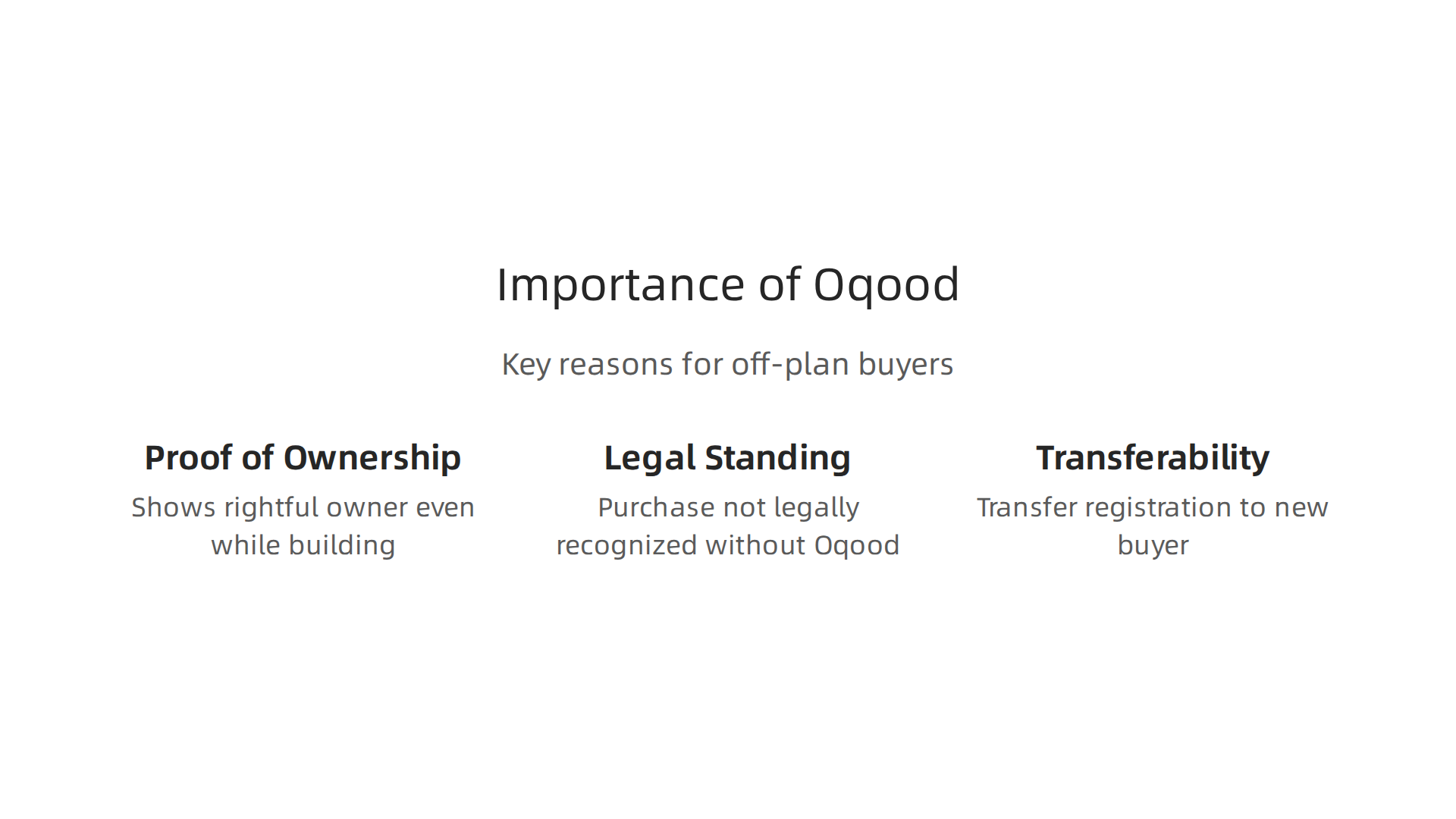
- Proof of Ownership: An Oqood certificate shows that you are the rightful owner of the property even while it’s under construction Oqood Certificate Dubai 2026: What It Is, Why It Matters & How to Get It.
It prevents developers from selling the same unit to more than one person, which protects your investment.
- Legal Standing: In 2026, any off-plan property sale that is not registered with the DLD’s Interim Property Register through Oqood is not valid. This means your purchase is not legally recognized if it doesn’t have an Oqood Interim Property Register Dubai: Off-Plan Ownership Guide 2026.
- Transferability: If you want to sell your off-plan property before it’s finished, you would transfer your Oqood registration to the new buyer. This is different from transferring a Title Deed, but it’s how off-plan properties are legally resold Reselling Off-Plan Property in Dubai: Assignment Guide [2026].
Once your off-plan property is finished and you have paid everything, the Oqood will be changed into a final Title Deed. This change means you now own a completed home, not just the right to one. To know more about these important property papers, you can explore this detailed guide on Oqood vs Title Deed Dubai: Off-Plan Property Registration Guide 2026.
How DLD Status Protects Your Investment
Checking the property status DLD is a key step in how to buy Dubai property safely. It affects a few important things:
- Security of Funds: When you buy an off-plan property, your payments usually go into a special "escrow account" that the DLD and Real Estate Regulatory Agency (RERA) oversee. This means your money is safe and can only be released to the developer as construction progresses, protecting you if something goes wrong with the project How to Register an Off-Plan Project in Dubai (2026 Guide).
- Clear Ownership History: The DLD records provide a clear history of the property. This helps you know if there are any old debts or claims on the property that could cause problems for you later.
- Smooth Transfers: A clear DLD status ensures that the property can be legally transferred from the seller to you without any unexpected issues.
Before you make any big payments, always ask for proof that the property is properly registered with the DLD. For off-plan properties, this means getting a copy of the Oqood certificate and checking that the project itself is registered. Many buyers choose to work with a trusted real estate agent who can help with this important paperwork. If you are looking for more details on the full buying process, a step-by-step guide to how to buy properties in Dubai in 2026 can provide helpful information.
Getting a full understanding of the property’s DLD status is a crucial part of buying real estate in Dubai. It adds a layer of protection to your investment, ensuring everything is above board. If you’re buying, selling, renting, or investing in Dubai, remember that expert advice can make a big difference.
Buying, selling, renting, or investing in Dubai? Connect with Ayaz Salman for a FREE Dubai Real Estate Consultation.
Having a clear legal status for your property with the DLD is crucial, but equally important is knowing the actual physical condition of the place you want to buy. This is where a professional property inspection Dubai comes in. It helps you find any hidden problems with the building itself. A good inspection report will tell you exactly what is wrong, how bad it is, and what needs fixing.
Inspection checklist: the items a professional report should include
When you hire a professional for a property inspection Dubai, they will look at many different parts of the home. This detailed check helps you understand what you are truly buying and if there will be any big repair costs soon. In 2026, a thorough inspection usually covers both the outside and inside, room by room, and all the important systems.
Here’s what a good property inspection in Dubai should cover:
Looking at Each Part of the Home
A professional inspection isn’t just a quick look; it’s a deep dive into every area. They will check for many types of defects, from small cracks to big structural issues Property Inspection in Dubai: Importance, Checklist & More.
-
Structure and Outside Parts:
- Foundation and Walls: Inspectors check for big cracks in the outside walls or uneven floors, which could mean problems with the building’s base. They also look for any signs of water damage on the outside.
- Roof: The roof is checked for leaks, broken tiles, or worn-out materials. These can cause big problems if not fixed.
- Façade, Windows, and Doors: They look at the building’s outer look, making sure windows and doors close well, don’t have drafts, and are properly sealed. They also check balconies and terraces for stability and drainage Property Handover Checklist Dubai 2026.
-
Inside the Home, Room by Room:
- Living Areas: This includes checking floors for levelness, walls for cracks or bad paint, and ceilings for any water stains.
- Kitchen: Professionals inspect cabinets, countertops, and appliances (if included). They look for leaks under sinks and make sure all outlets work.
- Bathrooms: They check for leaks around sinks and toilets, how well water drains, and if the tiling and grout are in good shape.
- Bedrooms: Similar to living areas, they focus on finishes, windows, and doors, making sure everything is in good working order. For a detailed room-by-room guide, check out this Dubai Snagging Checklist 2026 Room-by- ….
-
**Important Systems:
**
* Plumbing: This means checking all pipes, water pressure, and drainage to make sure there are no leaks or blockages.
* Electrics: Inspectors look at power outlets, light switches, and the main electrical panel to ensure everything is safe and works correctly.
* HVAC (Air Conditioning and Heating): They test the AC units to see if they cool properly and if there are any weird noises or smells. Clean filters and good airflow are important.
* Safety Systems: They check smoke detectors and fire alarms to ensure they are working.
What the Inspection Report Will Show You
After the physical check, you’ll get a detailed report. This report is very important for understanding the property’s true condition.
A standard report should include:
- Executive Summary: This is a short overview of the whole report, highlighting the most serious problems right away Property & Building Condition Report: Guide + Free Template.
- Photographic Evidence: Pictures are taken of any problems found. This makes it easy to see exactly what the issue is.
- Severity Grading: Problems are often given a ranking:
- Minor: Small issues like chipped paint or a loose door handle.
- Major: More serious things like a leaky faucet or a broken window latch.
- Urgent: Big problems that need immediate attention, such as a major water leak, structural crack, or a safety hazard.
- Estimated Remediation Scope: The report might also give an idea of what kind of work is needed to fix the problems and how much it might cost.
Having this report is a powerful tool when you are buying real estate in Dubai. It can help you ask the seller to fix things or even lower the price if there are many repairs needed. Don’t skip this step when you want to make smart choices for your investment. For general guidance on smart investments, consider exploring how to Find Property in Dubai a Step by Step Guide for Smart Investors.
A detailed inspection report helps you understand a property’s true condition. But did you know that different types of homes in Dubai often have different kinds of problems? Knowing what common defects and red flags to look for can help you be even smarter when buying real estate in Dubai, whether it’s an apartment, a villa, or an off-plan property.
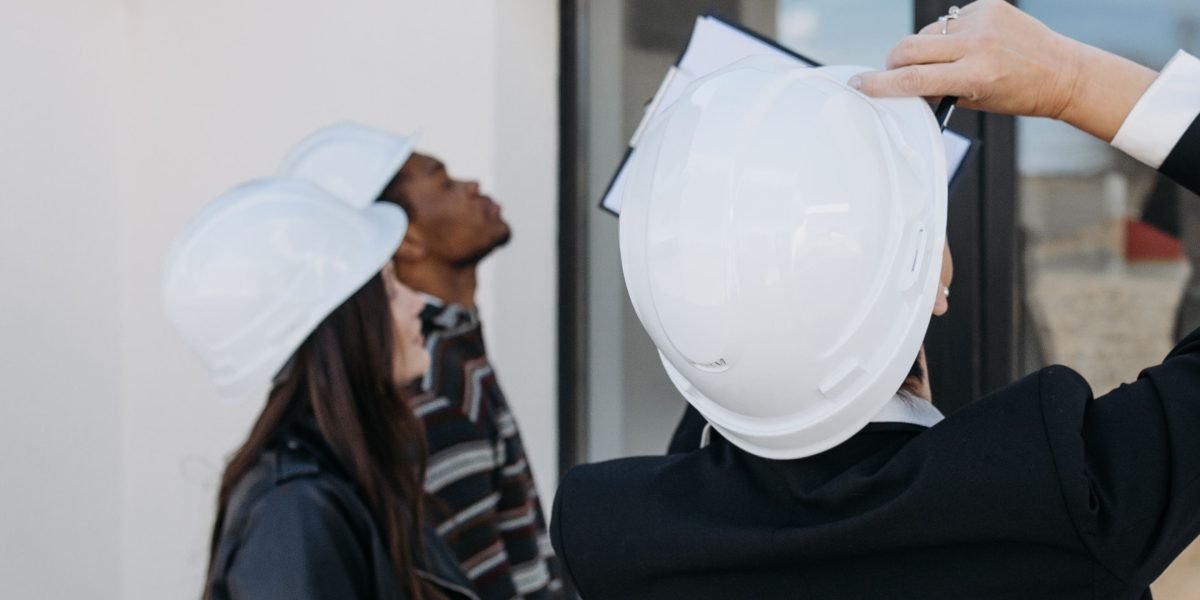
Typical Issues in Completed Apartments
When you are looking at an apartment that is already built, some problems show up more often than others. A professional property inspection Dubai will carefully check for these:
- Leaks and Water Damage: This is a big one. Inspectors will look for signs of water leaks from pipes, air conditioning units, or even from the apartment above. Water stains on ceilings or walls are clear red flags. Poor waterproofing in bathrooms or balconies can lead to expensive repairs later.
- MEP Faults: This stands for Mechanical, Electrical, and Plumbing. Think about your AC. Does it cool properly? Are there strange noises? Are all the light switches and power outlets working safely? Sometimes, airflow might not be balanced, making some rooms too hot or too cold. Inspectors check water pressure and drainage in sinks and showers too.
- Poor Finishes: You might see small cracks in tiles, paint that is peeling, or doors and windows that do not close perfectly. These are common minor issues, but many of them can add up. Actually, data from 2025 showed that over 92% of properties in Dubai needed some fixes before they were fully approved by buyers How to Choose the Best Property Snagging Company in Dubai ….
- Defect Liability Period (DLP): For newly built apartments, there is a special time called the Defect Liability Period. Developers must fix mechanical, electrical, plumbing (MEP) defects and issues with finishes for 12 months after the property is handed over. Bigger problems like structural defects are covered for 10 years The Defect Liability Period in Dubai: A complete Guide. Make sure you understand how this works and report any issues in writing during this time.
Common Problems with Villas
Villas come with their own set of potential issues, often because they have more land and outdoor features.
- Structural Settlement: Because villas are stand-alone buildings, inspectors look for signs of the ground settling unevenly. This can lead to larger cracks in walls or floors, which might mean serious problems with the foundation.
- Landscaping and Drainage Issues: Does water pool in the garden after rain? Are the outdoor areas well-maintained? Bad drainage can lead to water getting into the house or damaging the foundation over time.
- Outdoor Features: If the villa has a pool, check its condition, pumps, and filters. Look at boundary walls, gates, and outdoor lighting.
- Mold: Dubai’s humid climate can sometimes lead to mold, especially in villas if there are hidden water leaks or poor ventilation. A specific Mold Inspection Cost Breakdown for Dubai Properties Guide can give you an idea of specialized checks.
Off-Plan Property Red Flags
Buying an off-plan property (one that is not yet built) is different from buying a completed home. A property inspection Dubai for off-plan homes focuses more on paperwork and the developer’s promises.
- Delayed Completion History: Always check the developer’s track record. Have their past projects been finished on time? Delays can cause big problems for your plans and finances.
- Developer Track Record: A reputable developer is key. Look into their past projects, how they handled issues, and what buyers say. This is part of doing your homework when you want to learn how to buy properties in Dubai in 2026.
- Oqood and Escrow Account Anomalies: In Dubai, your payments for off-plan properties should go into a special bank account called an escrow account, monitored by the Dubai Land Department (DLD). This protects your money. Make sure your property’s "Oqood" (the official registration of off-plan property) is in order and that funds are in the correct escrow account. The Real Estate Regulatory Agency (RERA) requires this to protect buyers kristine r.
- Contract Clarity: Understand every part of your contract. What happens if there are delays? What are the quality standards? Clear contracts are very important for your UAE Real Estate Sale Rights: 8 Critical Changes for 2026.
- Post-Completion Snagging: Even for off-plan, once the property is ready, a physical snagging inspection is crucial. This is where you find the actual defects before you take full ownership. Think of it as a final quality check.
- Legal Protections: The Dubai building quality and safety law also sets out how builders must fix defects. If they don’t, the Dubai Municipality can step in Dubai Building Quality and Safety Law 2026.
Knowing these common issues for each type of property helps you focus your property inspection Dubai. It also helps you ask the right questions and ensure you’re making a wise investment.
Ready to make your move in the Dubai real estate market? FREE Dubai Real Estate Consultation with an expert can help you understand these details and more.
After a detailed physical property inspection Dubai, checking the actual condition of a home, the next important step is to look at its legal health. This means carefully checking all official documents and the property’s status with the Dubai Land Department (DLD). This process, known as due diligence, is super important when you are thinking about buying real estate in Dubai. It helps you make sure everything is legal and clear.
What to Ask the Seller or Agent
To start, you need to ask the seller or their agent for key documents.
- For Ready Properties: You will need a copy of the property’s Title Deed. This is the main document that proves who truly owns the property. You can use this to verify the property’s ownership in Dubai Dubai Title Deed: Issuance, Fees & Verification (2026).
- For Off-Plan Properties: If the property is still being built, ask for the Oqood certificate. This is like a temporary ownership paper that shows you are the rightful buyer during the construction period. The Oqood system is for provisional registration of off-plan sales with the DLD Oqood in Dubai | Dubai Asset.
How to Check DLD Status Yourself
Once you have these documents, you can do some basic checks on your own. The DLD makes this quite easy in 2026:
- Using the Dubai REST App or DLD Website: The Dubai Land Department offers online tools to verify a property’s status. You can use the Dubai REST app or DLD website to verify your title deed. You just need to enter the certificate number. The system will then tell you if the title deed is valid, if there’s a mortgage on it, or if it has any other restrictions. This quick check is free and can be done in minutes.
- What You Can Learn: This online check can show you if the property status DLD is "Valid," "Mortgaged," "Restrained," "Blocked," or "Invalid." It’s very important to never move forward with just a picture of a title deed that an agent sends you. Always do the official online check yourself.
When to Get Official DLD Verification
For a deeper check or if you have any doubts, you should seek official verification from the DLD:
- Visit a DLD Office or Trustee Centre: You can go to a DLD customer service center or a Real Estate Registration Trustee office. Here, you can submit your documents for full verification Dubai Land Department – Property Sale Registration. They can provide a detailed property report, which is especially useful for big property deals Title Deed Verification in Dubai | 2026 Complete Guide.
- What Happens There: The DLD staff will check all your documents, make sure everything matches their records, and confirm the true legal status of the property. This step is a key part of how to buy Dubai property safely.
When to Engage Legal Counsel
While real estate agents are helpful, they usually cannot give legal advice. When buying real estate in Dubai, especially for foreigners, it’s smart to have your own legal expert.

- Beyond Agent Paperwork: Agents can help you collect documents and guide you through the process, but their main job is to help with the sale. They might not spot all the legal risks.
- Getting a Lawyer: For complex deals, or if you have any concerns about the property status DLD, it is best to hire a lawyer specializing in Dubai real estate. They can review your Sale and Purchase Agreement (SPA), check for hidden clauses, and make sure your rights are fully protected. They can also help you understand the full legal framework of how the Dubai Real Estate Corporation protects your property investment.
- Title Search Specialist: In some cases, especially for very old properties or unique situations, a title search specialist might be needed to dig even deeper into the property’s history and ensure there are no surprises. If you are not sure how to find good help, learning how to choose a real estate broker in Dubai can be a good starting point to build your team.
Making sure you verify all documents and understand the DLD status is just as important as the physical property inspection Dubai. This due diligence helps protect your investment and gives you peace of mind.
After a thorough physical property inspection Dubai and checking the legal papers, what happens if the inspection finds problems? It is quite common for property inspections in Dubai to find issues. Actually, in 2025 data showed that over 92% of properties needed some fixes before handover approval, which means issues like leaky pipes or broken AC are often found during a property inspection in Dubai How to Choose the Best Property Snagging Company in Dubai ….
When issues are found, you have a few ways to deal with them. This is a very important part of how to buy Dubai property.
Your Choices After a Property Inspection
After getting your inspection report, you usually have three main choices:
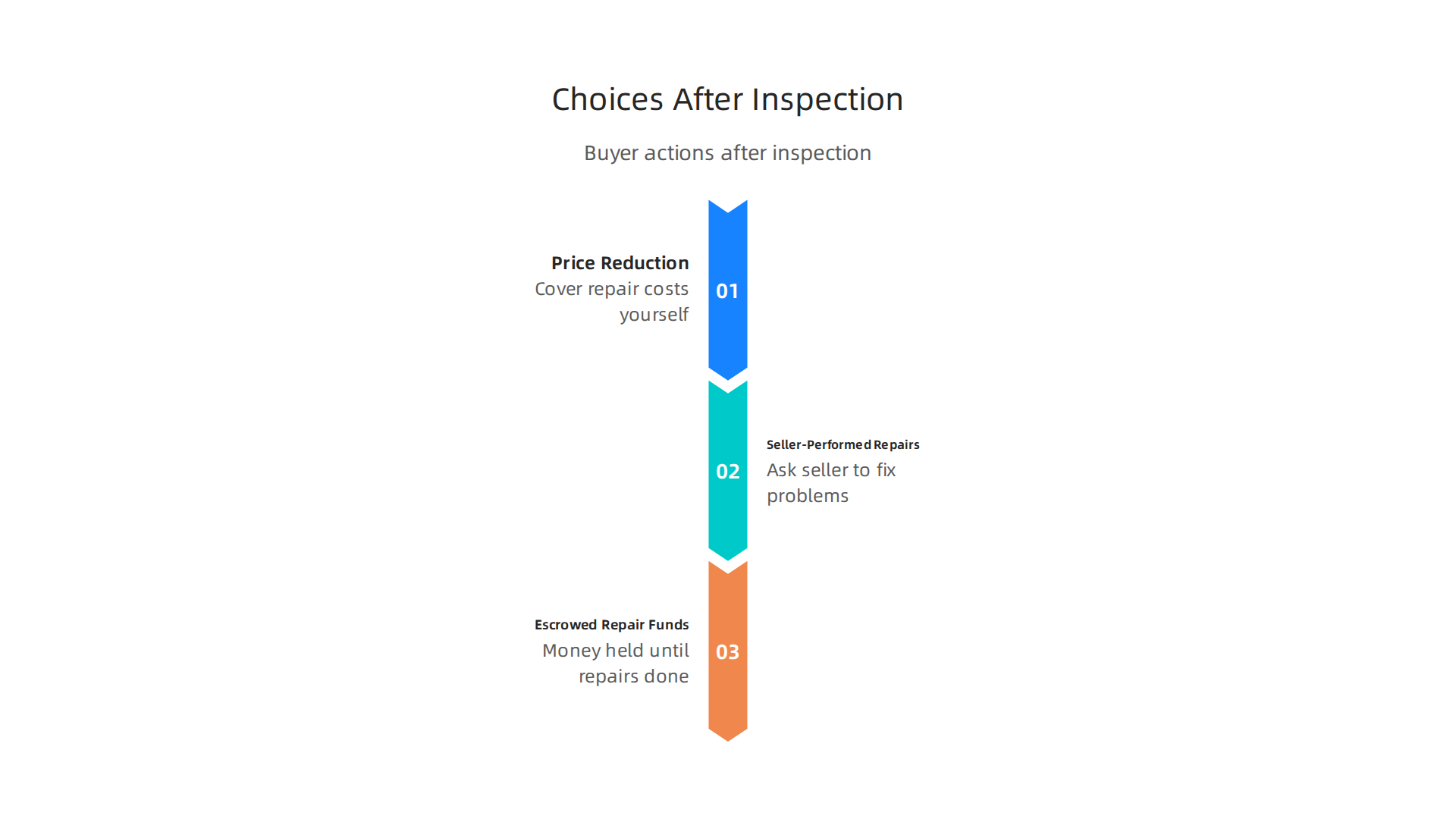
- Ask for a Price Reduction: You can ask the seller to lower the selling price. This helps cover the cost of repairs you will need to do yourself. This is a common choice for buyers Property Inspection Dubai 2026: Snagging Cost + Best Companies.
- Request Seller-Performed Repairs: You can ask the seller to fix the problems before you buy the property. If the property is new, the developer is often responsible for fixing defects during a period called the Defect Liability Period (DLP). This period usually covers mechanical defects and finishes for 12 months, and structural defects for 10 years The Defect Liability Period in Dubai: A complete Guide. Make sure to get a clear promise from the seller about these repairs, maybe even with a warranty.
- Use Escrowed Repair Funds: Sometimes, you can agree that a certain amount of money for repairs will be held in a special account (an escrow account) by a third party. The seller won’t get this money until the repairs are done and checked. This helps make sure the work actually gets completed. The Dubai Land Department (DLD) and its Real Estate Regulatory Agency (RERA) play a big role here, as RERA often requires buyer funds to be held in escrow kristine r.
What if You Cannot Agree or Want to Back Out?
If you and the seller cannot agree on how to fix the problems, or if the issues are too big, you might decide to walk away from the deal. Your Sale and Purchase Agreement (SPA) should have rules about this. In Dubai, for off-plan properties, RERA has rules about canceling contracts if a developer does not follow the agreement Can You Walk Away from a Dubai Property Contract in …. It’s always best to have a lawyer help you understand these rules when buying real estate in Dubai.
For newly built properties, the Dubai Building Quality and Safety Law of 2026 gives the Dubai Municipality the power to order developers to fix defects if they do not meet standards Dubai Building Quality and Safety Law 2026. This can give you extra protection.
Getting Ready for Property Transfer
Once all issues are settled and you and the seller agree, you will move to the final steps of transferring the property. This involves:
- Finalizing the Sale and Purchase Agreement (SPA): Make sure all agreed-upon changes, like price reductions or repair plans, are written into the SPA.
- Paying DLD Fees: You will need to pay the fees for transferring ownership at a DLD trustee office.
- Getting a No Objection Certificate (NOC): This document from the developer or building management confirms that all service charges and dues for the property have been paid.
- Transferring the Title Deed: Finally, the DLD will issue a new Title Deed in your name. This officially makes you the owner. Understanding the
property status DLDthroughout this process is key to a smooth transfer.
The journey of buying real estate in Dubai can be complex, but with careful inspection, smart negotiation, and proper legal steps, you can ensure your investment is sound.
If you are looking for more personalized advice on navigating property inspections, negotiations, or the overall process of buying in this exciting market, we recommend connecting with an expert.
FREE Dubai Real Estate ConsultationAfter a thorough physical property inspection Dubai and checking the legal papers, what happens if the inspection finds problems? It is quite common for property inspections in Dubai to find issues. Actually, in 2025 data showed that over 92% of properties needed some fixes before handover approval, which means issues like leaky pipes or broken AC are often found during a property inspection in Dubai How to Choose the Best Property Snagging Company in Dubai ….
When issues are found, you have a few ways to deal with them. This is a very important part of how to buy Dubai property.
Your Choices After a Property Inspection
After getting your inspection report, you usually have three main choices:
- Ask for a Price Reduction: You can ask the seller to lower the selling price. This helps cover the cost of repairs you will need to do yourself. This is a common choice for buyers Property Inspection Dubai 2026: Snagging Cost + Best Companies.
- Request Seller-Performed Repairs: You can ask the seller to fix the problems before you buy the property. If the property is new, the developer is often responsible for fixing defects during a period called the Defect Liability Period (DLP). This period usually covers mechanical defects and finishes for 12 months, and structural defects for 10 years The Defect Liability Period in Dubai: A complete Guide. Make sure to get a clear promise from the seller about these repairs, maybe even with a warranty.
- Use Escrowed Repair Funds: Sometimes, you can agree that a certain amount of money for repairs will be held in a special account (an escrow account) by a third party. The seller won’t get this money until the repairs are done and checked. This helps make sure the work actually gets completed. The Dubai Land Department (DLD) and its Real Estate Regulatory Agency (RERA) play a big role here, as RERA often requires buyer funds to be held in escrow kristine r.
What if You Cannot Agree or Want to Back Out?
If you and the seller cannot agree on how to fix the problems, or if the issues are too big, you might decide to walk away from the deal. Your Sale and Purchase Agreement (SPA) should have rules about this. In Dubai, for off-plan properties, RERA has rules about canceling contracts if a developer does not follow the agreement Can You Walk Away from a Dubai Property Contract in …. It’s always best to have a lawyer help you understand these rules when buying real estate in Dubai.
For newly built properties, the Dubai Building Quality and Safety Law of 2026 gives the Dubai Municipality the power to order developers to fix defects if they do not meet standards Dubai Building Quality and Safety Law 2026. This can give you extra protection.
Getting Ready for Property Transfer
Once all issues are settled and you and the seller agree, you will move to the final steps of transferring the property. This involves:
- Finalizing the Sale and Purchase Agreement (SPA): Make sure all agreed-upon changes, like price reductions or repair plans, are written into the SPA.
- Paying DLD Fees: You will need to pay the fees for transferring ownership at a DLD trustee office.
- Getting a No Objection Certificate (NOC): This document from the developer or building management confirms that all service charges and dues for the property have been paid.
- Transferring the Title Deed: Finally, the DLD will issue a new Title Deed in your name. This officially makes you the owner. Understanding the property status DLD throughout this process is key to a smooth transfer.
The journey of buying real estate in Dubai can be complex, but with careful inspection, smart negotiation, and proper legal steps, you can ensure your investment is sound.
If you are looking for more personalized advice on navigating property inspections, negotiations, or the overall process of buying in this exciting market, we recommend connecting with an expert.
FREE Dubai Real Estate Consultation
Summary
This article explains why a thorough property inspection and a clear Dubai Land Department (DLD) status check are essential for every buyer in Dubai. It breaks down the main inspection types—pre‑purchase, snagging, handover and full structural surveys—who performs them, and the typical scope (structure, MEP, finishes, safety systems). It also explains the legal side: Title Deeds for ready properties, Oqood for off‑plan purchases, and how DLD records protect ownership, escrow funds and transfers. The guide highlights common defects by property type, what a robust inspection report should contain, how to verify documents via the DLD/Dubai REST app or trustee offices, and practical options after defects are found (price reduction, seller repairs, escrow). After reading you’ll know which checks to order, how to verify legal status, and how to use inspection findings to negotiate or protect your purchase.