Introduction
Thinking about investing in the dubai property market in 2026? You are not alone. Thousands of global investors are watching Dubai closely, and for good reason. The city has proven it can weather storms that would sink most other markets.
Here is the reality. In the first half of 2026 alone, residential sales hit 79,281 transactions worth AED 221.4 billion, according to the latest data from the Dubai Housing Market 2026 Mid-Year Review. That is huge. And rental yields remain attractive at around 6.58% on average, with apartments pulling in roughly 6.9%. Numbers like these tell a clear story: Dubai is still a heavyweight in global real estate.
But let us be honest with each other. The market is not a straight line up. Headlines about geopolitical tensions, shifting investor sentiment, and cooling growth rates can make anyone hesitate. You might wonder if now is the right time to buy. Or you might struggle to figure out the best property to invest in Dubai when every agent seems to have a different answer.
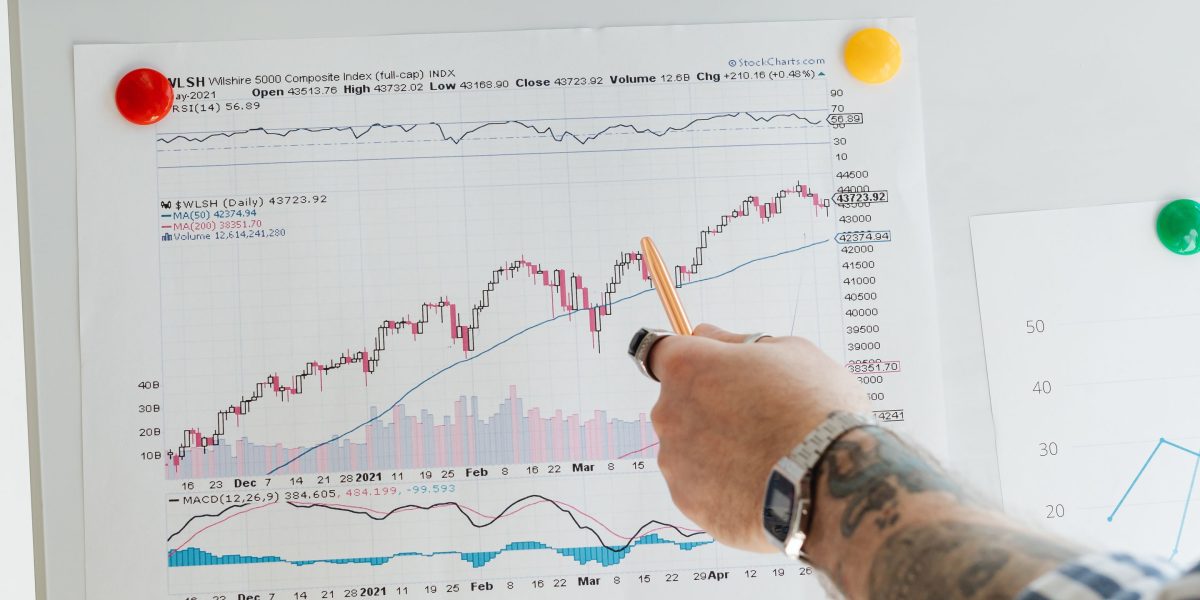
The truth is, success in the dubai property market comes down to one thing: having the right data and knowing what to do with it. Without a clear strategy, it is easy to get lost in noise and end up with a property that does not match your goals.
That is exactly why this guide exists. We put together a complete, data-driven look at the 2026 market so you can cut through the confusion. You will find the latest uae latest news updates that matter, clear trends in real estate sales dubai, and actionable steps to make smarter investment moves.
Think of this as your roadmap. Whether you are a first-time buyer or a seasoned investor looking to grow your portfolio, the information ahead will help you spot opportunities others miss.
And if you ever want to talk through your specific situation with someone who knows the market inside out, you can connect with an expert through a FREE Dubai Real Estate Consultation.
For now, let us start with the fundamentals. Understanding how to navigate this market starts with knowing the rules of the game, especially if you are coming from outside the UAE. So let us look at what foreign investors need to know before they buy their first Dubai property.
Current State of the Dubai Property Market in 2026
The dubai property market in 2026 is not a single story. It is really three stories happening at once depending on what you are buying.
Understanding those differences is where smart investors gain an edge.
Price trends across segments
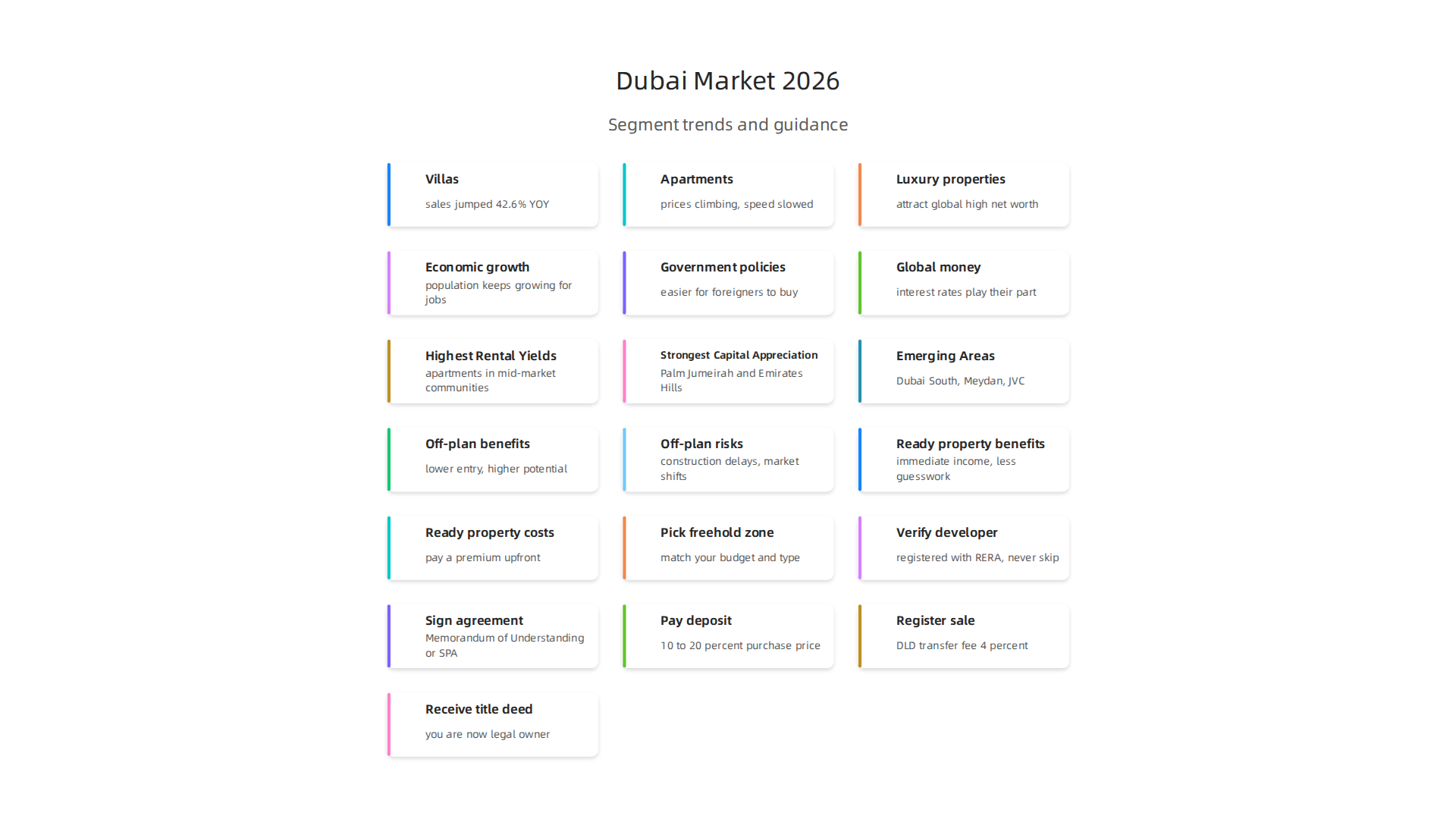
The biggest surprise this year has been the villa segment. Villa sales jumped 42.6% year on year with an average sale price hitting AED 5 million, based on data from the Dubai Property Market Still on Fire discussion. Communities like Palm Jumeirah, Emirates Hills, and Dubai Hills Estate are driving that demand. Buyers are paying a premium for space and privacy.
Apartments tell a more measured story. Prices are still climbing, but the speed has slowed compared to villas. According to the United Arab Emirates Residential Property Market Analysis 2026, the Dubai Residential Market Sales Price Index dropped 1.76% month on month in April 2026 but remained 6.09% higher than the same time last year. That short-term dip is worth watching. But the yearly trend still points in the right direction.
Luxury properties above AED 10 million continue to attract global high net worth buyers, though transaction times have stretched slightly compared to early 2025.
Transaction volume analysis
Activity levels remain strong across both off plan and ready property segments. Full year 2025 set a record for total sales value, and the momentum carried into the first half of 2026. Off plan sales still make up a big chunk of overall activity as investors lock in current prices on future developments. Ready properties are moving steadily too, especially in mid range price brackets where end users compete with investors.
Supply and demand dynamics
New supply is entering the market at a healthy pace. Developers are active in Dubai South, Dubai Creek Harbour, Jumeirah Village Circle, and other emerging districts. But here is the key point. Demand from both local buyers and international investors is absorbing that supply quickly. In most popular areas, the balance still favors sellers.
That said, some analysts are watching for a potential cooling in specific segments where supply is catching up fastest. Knowing which areas still have room to run versus which are approaching their peak is where you make or lose money.
For a complete breakdown of which communities offer the strongest fundamentals right now, explore our data backed Dubai property market insights before making your next move.
The bottom line? The dubai property market in 2026 has real opportunities, but the game is becoming more nuanced. Buying the right segment in the right community matters more than ever.
Key Drivers Shaping Market Dynamics
So what is really pushing the dubai property market forward in 2026? The numbers we just looked at are the result of three big forces working together. Understanding these drivers helps you spot where the real opportunities lie before everyone else does.
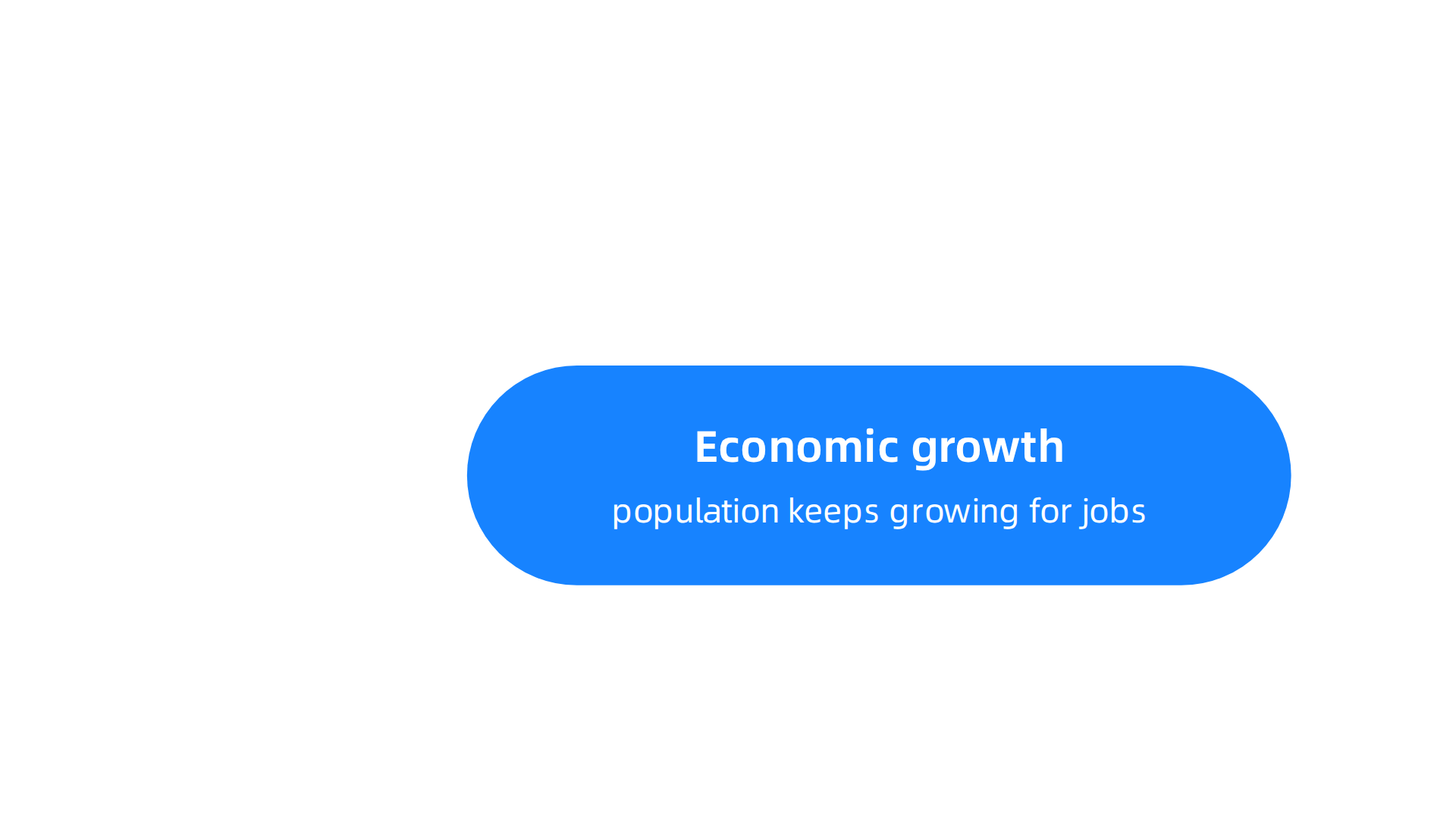
Economic growth keeps the engine running
Dubai’s economy is still expanding at a healthy clip. The population keeps growing as people move here for jobs, safety, and lifestyle. Tourism numbers stay strong, and the Expo 2020 legacy continues to fuel infrastructure and business activity. All of that translates into more people needing homes and more investors looking for places to park their money.
The transaction data backs this up. According to the mid-year review from Engel & Völkers, residential sales hit 79,281 transactions worth AED 221.4 billion during the first half of 2026 alone. That is not a market that is slowing down. That is a market with deep demand underneath it.
Government policies that open the door wider
Dubai has been smart about making it easy for foreigners to buy and own property. Visa reforms let investors get long-term residency without jumping through hoops. Freehold ownership areas keep expanding. And the 100% foreign ownership law means you can own the land and the building outright in designated zones.
If you are new to investing here, understanding these rules is the first step to making a confident move. Our step-by-step guide on freehold property in Dubai for foreign investors breaks down exactly what you need to know before you sign anything.
Global money and interest rates play their part
Dubai does not exist in a bubble. Global capital flows move in and out based on what is happening in the US, Europe, and Asia. When interest rates are high elsewhere, investors look for markets with better yields. And with average rental yields hovering around 6.58% in mid-2026, Dubai stands out as a solid option compared to many Western markets.
Oil prices also have an indirect effect. Higher oil revenue in the region supports government spending and confidence, which trickles down into property demand. But even with recent volatility, Dubai has proven it can attract capital on its own merits.
Here is the thing. All these drivers are positive right now, but they do not move in straight lines. Markets shift. Policies evolve. Having someone who tracks these changes daily can save you from expensive mistakes.

That is why a free Dubai real estate consultation with an expert who lives and breathes this market makes sense. Ayaz Salman can help you match the right driver to the right property for your goals.
The bottom line? The dubai property market is being shaped by strong fundamentals that look set to continue. But knowing how each driver affects your specific investment is where the real edge comes from.
Investment Hotspots: Top Communities for High Returns
Now let’s zoom in on the actual neighborhoods where the dubai property market drivers we discussed are producing the best returns. Picking the right community is just as important as timing your purchase. Here is where the numbers say you should look.
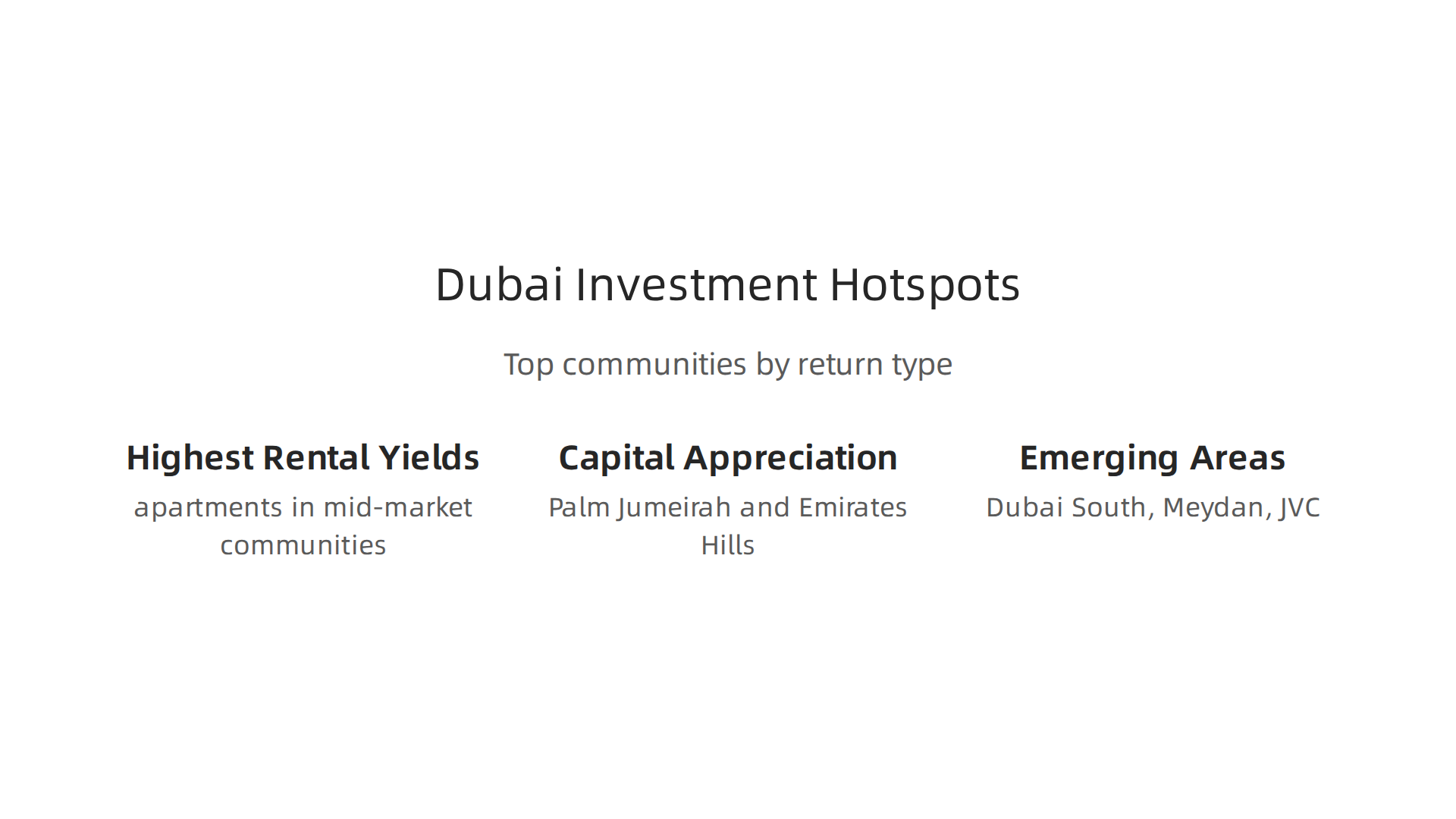
Highest rental yields: where your money works harder
If cash flow is your priority, apartments in mid-market communities are the clear winner. According to market data from Engel & Völkers, apartments average 7.15% rental yields in 2026 while villas lag behind at 4.98%. That gap matters when you are calculating your monthly income.
The communities that consistently deliver the best rental yields include Jumeirah Village Circle (JVC), Dubai Marina, and Business Bay. JVC stands out with yields around 7.21% for three-bedroom flats according to GuestReady. Discovery Gardens and International City also offer returns as high as 8% to 9% for smaller units, making them excellent choices for budget-conscious investors.
You can explore our guide to ready to move property in Dubai for communities that offer immediate rental income without waiting for construction.
Strongest capital appreciation: where value grows over time
For investors focused on long-term gains, certain communities have shown remarkable price growth. Palm Jumeirah and Emirates Hills continue to lead in luxury segment appreciation. These areas attract wealthy buyers from around the world, and limited supply keeps pushing values upward.
Downtown Dubai and Dubai Marina also see steady capital appreciation thanks to their central locations and lifestyle appeal. The key here is buying in prime freehold zones where foreign ownership is fully allowed. If you are considering luxury options, our luxury house sale guide for 2026 breaks down the top premium communities and expected returns.
Emerging areas with growth potential
Smart investors are also watching communities that are still developing. Dubai South, near the new Al Maktoum International Airport, is attracting attention for its master plan and future job hubs. Meydan, with its racecourse and green spaces, offers more affordable entry prices compared to central Dubai.
According to the Driven Properties guide to best areas in 2026, JVC, Dubai Silicon Oasis, Dubai South, and Al Furjan are strong options because prices are still accessible and the rental yield potential is high. These areas might not give you the prestige of Palm Jumeirah today, but they offer the kind of growth that builds wealth over a five to ten year horizon.
The best strategy? Mix a high-yield apartment in JVC or Discovery Gardens with a capital growth play in an emerging zone. That diversifies your portfolio and protects you from any single market swing.
If you want to see how these communities compare side by side, our property monitor for 2026 gives you live data on prices and yields across all the hotspots.
Navigating Off-Plan vs. Ready Property Investments
Once you know which communities catch your eye, the next big question hits: do you buy off-plan or ready? This choice shapes your risk, your timeline, and your returns. Let’s break it down plainly.
Off-plan: lower entry, higher potential, more risk
Buying off-plan means you purchase a property before it is built. Developers offer these units at prices 20 to 40 percent below market value. That alone makes them tempting. You also get flexible payment plans that let you spread costs over years rather than paying everything upfront.
The upside can be huge. According to the Khaleej Times 2026 guide to buying off-plan property, this segment continues to dominate the market and deliver stronger returns than completed homes for many investors. When the building finishes, your unit may already be worth significantly more than what you paid.
But here is the trade-off. Off-plan comes with real risks. Construction delays happen. Market conditions can shift while you wait. And you cannot earn rental income until handover. If your timeline is short or your stomach for uncertainty is low, this path might feel uncomfortable.
Ready property: immediate income, less guesswork
A ready property is already built and often has tenants inside. You can start collecting rent from day one. The risk of delays or unexpected costs is much lower because you see exactly what you are buying.
The catch? You pay a premium. Ready units cost more upfront than off-plan equivalents. That higher entry price means your yield percentage may be lower, though your absolute rental income starts flowing right away.
How to pick the right path for you
Your investment horizon is the deciding factor. Here is a simple way to think about it:
- If you plan to hold for five years or more and can handle some uncertainty, off-plan gives you the best shot at high capital gains. Just pick a developer with a strong track record.
- If you need cash flow now or prefer a safer bet, go with ready property. The lower risk is worth the higher price tag.
Your risk tolerance matters too. Off-plan suits investors who can stomach market ups and downs during the construction phase. Ready property works better if you sleep easier knowing your asset is already standing and earning.
If you are new to the market, a great first step is reading our step-by-step guide to buying properties in Dubai as a foreigner. It walks you through the entire process from search to handover.
And if you would rather talk through your options with someone who knows the numbers, you can connect with Ayaz Salman for a free consultation. He helps buyers match the right property type to their personal goals.
Understanding Rental Yields and Capital Appreciation Forecasts
Numbers tell the real story. And right now, the numbers for the Dubai property market look strong. Let’s look at what you can actually expect in terms of income and growth over the next couple of years.
How Dubai rental yields compare globally
Dubai consistently beats most global cities on rental returns. According to the 2026 Apartment Rental Yields by Community report, apartments in Dubai deliver average gross yields of 7.15 percent. Compare that to London at roughly 3 to 4 percent or New York at 4 to 5 percent. The difference is significant.
Villas and townhouses yield less at around 4.98 percent on average. But even that outpaces many mature markets. The key takeaway here is that the best property to invest in Dubai tends to be apartments in middle-income and emerging communities where prices are still accessible.
Where the highest yields are right now
Specific communities stand out in 2026. International City and Discovery Gardens have historically offered yields up to 8 to 9 percent for smaller units. Jumeirah Village Circle (JVC) also performs well with average yields above 7 percent for three-bedroom flats. Al Furjan delivers around 8 percent for studios.
If you are after consistent income, these areas deserve a close look. But remember, higher yields often come with lower capital appreciation potential. That trade-off matters.
What capital appreciation looks like in 2026 and beyond
Forecasts for the next 12 to 24 months point to continued growth, though at a more moderate pace than the boom years. Prime communities like Downtown Dubai and Palm Jumeirah are expected to see steady single-digit appreciation. Emerging zones like Dubai South and Dubai Silicon Oasis could outperform thanks to infrastructure development and new business hubs.
Tourism stays strong in 2026. The UAE latest news updates highlight record visitor numbers and ongoing economic expansion. Both support property demand and keep appreciation trends healthy.
What drives these trends
Three main factors push yields and appreciation in the Dubai property market:
- Supply and demand. New projects launch constantly, but population growth keeps absorbing them. Areas with limited supply and high demand see the biggest price gains.
- Tourism. More visitors mean more short-term rental income potential. Communities near attractions benefit directly.
- Economic growth. Dubai’s GDP keeps expanding. More jobs and businesses mean more people need homes.
If you want to dig deeper into the data before making a move, check out this detailed guide on how to buy properties in Dubai in 2026. It covers everything from budgets to paperwork.
And if you would rather talk through your numbers with someone who understands local trends firsthand, I highly recommend getting a FREE Dubai Real Estate Consultation with Ayaz Salman. He helps investors match properties to their yield and growth targets without the sales pitch.
Legal Framework and Ownership Regulations for Foreign Investors
Buying property in a country where you do not live can feel risky. That is a fair worry. But Dubai has built one of the clearest and safest legal systems for foreign property owners in the world. Understanding the rules is your first smart move.
Freehold areas and what ownership really means
Dubai allows full foreign ownership in specific freehold zones. Since 2002, the government has opened areas like Dubai Marina, Downtown Dubai, Palm Jumeirah, and Jumeirah Village Circle to international buyers. In these zones, you get the same rights as a local owner. You can sell, lease, or pass the property to your family.
Outside freehold zones, foreign investors usually get leasehold rights. That means you own the building or unit for a set period, often 99 years, but not the land underneath. You still collect rental income and can sell the lease. The land itself stays with the original owner. This clear guide to legal steps for buying property in Dubai lists all current freehold areas and explains the difference in plain language.
The buying process for foreign investors
The process is straightforward if you follow the right order. Here is how it works in 2026:
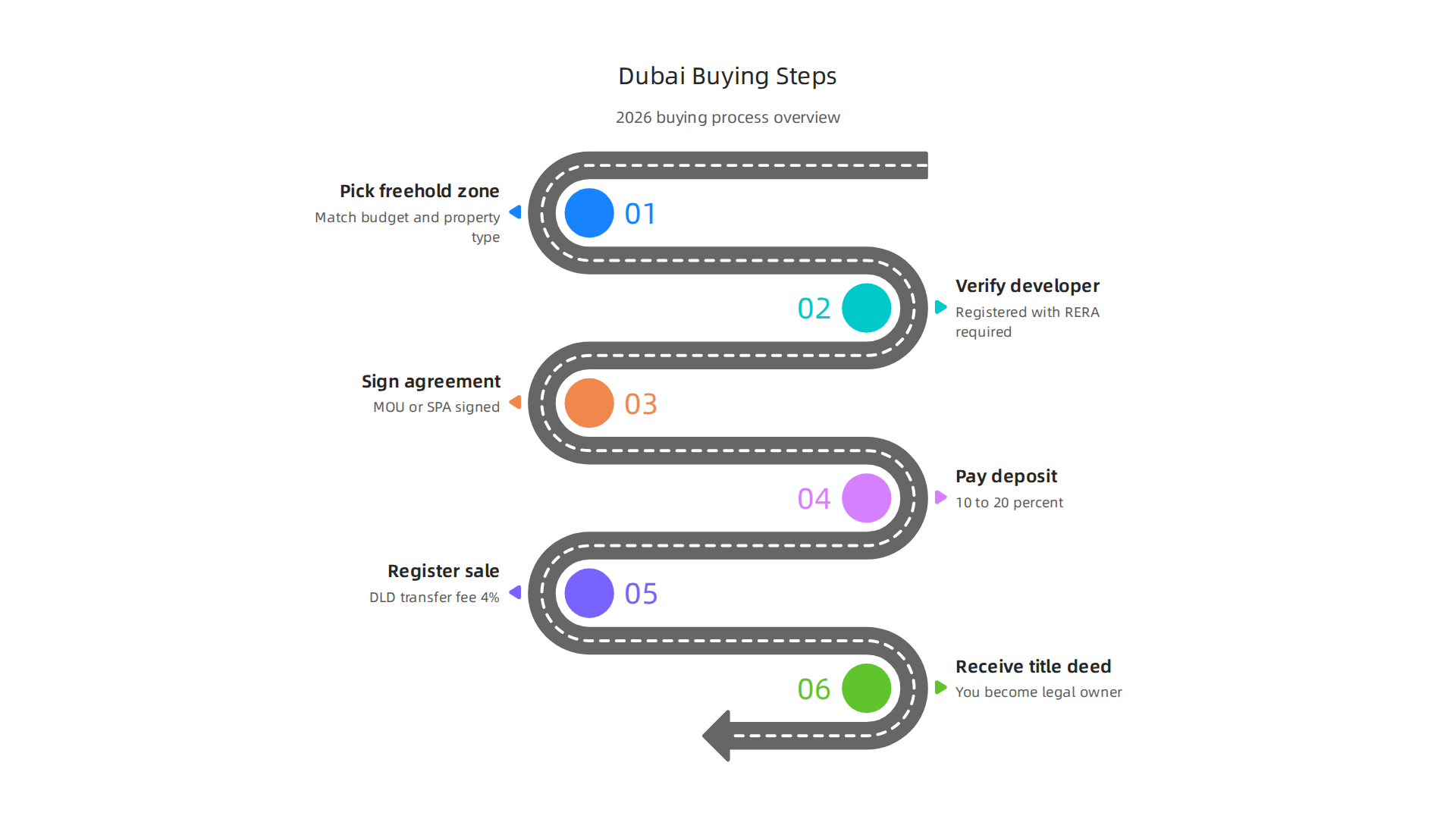
- Pick a freehold zone and property type that match your budget.
- Verify that the developer is registered with RERA. Never skip this check.
- Sign the Memorandum of Understanding or Sale Purchase Agreement.
- Pay a deposit of 10 to 20 percent of the purchase price.
- Register the sale with the Dubai Land Department and pay the 4 percent DLD transfer fee.
- Receive your official title deed. You are now the legal owner.
This detailed guide to buying property in Dubai legally walks through each step with practical tips tailored for foreign investors.
Key legal protections you need to know
Dubai has three main bodies that safeguard your money. The Dubai Land Department handles all property registrations and keeps ownership records secure and public. RERA regulates developers, agents, and brokers so bad actors get caught quickly. And escrow accounts make sure your money goes only toward completing your specific project, not somewhere else.
In 2026, the government also updated rules for the two-year property investor visa. The minimum investment dropped, making it easier for more buyers to qualify for residency. That move signals Dubai wants long-term foreign owners, not just quick flips.
If you want to understand how these protections work in practice, this explainer on how DLD and RERA protect your property investment gives you the full picture.
The dubai property market stands out because of this legal clarity. You know exactly what you own, what rules apply, and who to call if something feels off.
For personalized guidance on ownership rules, visa eligibility, or choosing the right property type for your situation, you can get a FREE Dubai Real Estate Consultation with Ayaz Salman.

He helps investors navigate the legal side without the confusion.
Summary
This guide gives a clear, data‑driven view of the Dubai property market in 2026 so you can invest with confidence. It reviews current market performance (79,281 residential transactions worth AED 221.4 billion in H1 2026), explains how economic growth, government policy and global capital flows shape demand, and breaks down differences across villas, apartments and luxury segments. The article identifies high‑yield communities (JVC, Discovery Gardens, International City, Dubai Marina), outlines where long‑term capital appreciation is strongest (Palm Jumeirah, Downtown, Emirates Hills), and compares off‑plan versus ready purchases with practical rules of thumb. You’ll also get the legal roadmap for foreign buyers, a buying checklist, and guidance on calculating rental yields and risks so you can choose properties that match your cash‑flow or growth goals.