

Introduction
If you are looking at the Dubai real estate market in 2026, you already know one thing. The opportunity is huge. But so is the noise. Every day, a flood of news, price alerts, developer ads, and social media hype hits your screen. How do you know what is real and what is just clever marketing?

Here is the hard truth. By the end of 2025, Dubai saw over 267,000 property transactions, a 19% jump from the year before, according to real data from the Dubai Land Department. Rental yields for apartments sat at around 7%, with villas closer to 5%. Prices are still climbing, but the rapid growth is finally slowing down. This mix of high activity and cooling momentum creates a tricky environment. The wrong move can cost you. The right move can build real wealth.
The problem most investors face is not a lack of options. It is a lack of clear, trustworthy direction. You might struggle with unreliable data from unverified sources. You might worry about market volatility and whether now is the right time to buy. Or you might simply not know who to trust for honest advice. These are real pain points, and they are exactly why a smart digital marketing approach matters for serious investors.
Think of digital marketing not as ads and popups, but as your personal research engine. A good marketing strategy helps you cut through the noise. It helps you find the best data on rental yields, capital appreciation, and off-plan vs. ready properties. It shows you which communities are investor-friendly and which ones are overhyped. The question what is marketing in this context becomes simple: it is the system that brings the best opportunities to your screen while filtering out the fluff.
So how do you actually use this digital marketing approach to find lucrative deals in Dubai? You start with the right tools and the right focus. A structured marketing strategy can help you assess risk, compare properties side by side, and build a diverse portfolio that works in any market condition. That is exactly what this guide will help you do.
We will walk through real data, proven methods, and actionable steps you can take today. Along the way, you will learn how to use smart research to stay ahead of other investors who are still guessing. To begin, check out this step by step guide on how to find property in Dubai and evaluate deals like a pro.
1. Decoding Dubai Real Estate Market Dynamics for Smart Investment
To invest smartly in Dubai in 2026, you need to understand how the market really works. This is not a simple straight line up. The market has cycles. Right now, the fast growth from a few years ago is starting to slow down. Prices are still high, but they are not shooting up as quickly as before. These forecasts confirm that the pace of price increases is moderating.
At the same time, transaction volumes hit a record 267,499 in 2025. That is a 19% jump from the year before. This mix of high activity and cooling prices can be confusing. Many investors feel stuck. They wonder if they missed the boat or if a correction is coming. That is exactly why a smart digital marketing approach helps. It cuts through the noise and shows you where the real value is hiding.
Good data is the secret to any strong marketing strategy. Too many investors rely on rumors or hype on social media. Do not do that. Instead, use official data from the Dubai Land Department. Their Residential Sales Price Index gives you the real price trends for each community. This is the gold standard for understanding what is actually happening on the ground.
You should also check rental yields carefully. In 2026, apartments give about 7% in rental returns. Villas give about 5%. When you base your marketing research on this kind of hard data, you stop gambling and start investing with confidence. A tool like Property Monitor can help you track these numbers in real time so you never miss a shift.

Big picture trends also matter for your investment focus. The legacy of Expo 2020 still drives demand in certain areas of the city. People want more space after the pandemic. Villa communities have seen prices go up by 15.16% year on year according to the REIDIN index. Understanding these trends helps you decide where to look. You can focus on up and coming areas for apartments or on well known villa districts. For a detailed breakdown of specific villa communities and their returns, check out this guide on villas for sale in Dubai.
You also need to watch for rule changes. Dubai often updates property laws and visa rules. These changes affect buyer confidence and market movement. An investor who stays informed can adjust their plans quickly. Comparing how different developers follow the rules is part of this. View a full comparison of the top real estate companies in Dubai to see which developers align best with current regulations.
When you understand prices, data, big trends, and rules, you build a solid foundation. This foundation turns your property search into a real marketing system that works consistently. Learn how to find and evaluate properties step by step to start applying these principles today.
2. Building a Data-Driven Digital Marketing Strategy for Real Estate
Now that you understand the market, the next big question is: how do you find and attract the right buyers or tenants? The answer is a solid digital marketing strategy. But here’s the thing: guessing what works will cost you time and money. You need to use real data to guide every decision.
Data driven strategies always beat intuition. In Dubai’s competitive market, relying on a hunch can lead to wasted ad spend and missed opportunities. Instead, focus on key metrics that show you exactly what is happening.

The most important numbers you should watch include cost per lead, conversion rates, and return on investment for each marketing channel you use. For example, you might find that Facebook ads bring cheaper leads than Google ads, but those Google leads actually buy more often. That insight comes from tracking, not guessing. Learning how to track and improve these numbers is part of mastering real estate lead generation in Dubai.
Setting up proper tracking is simpler than it sounds. You just need three things working together.
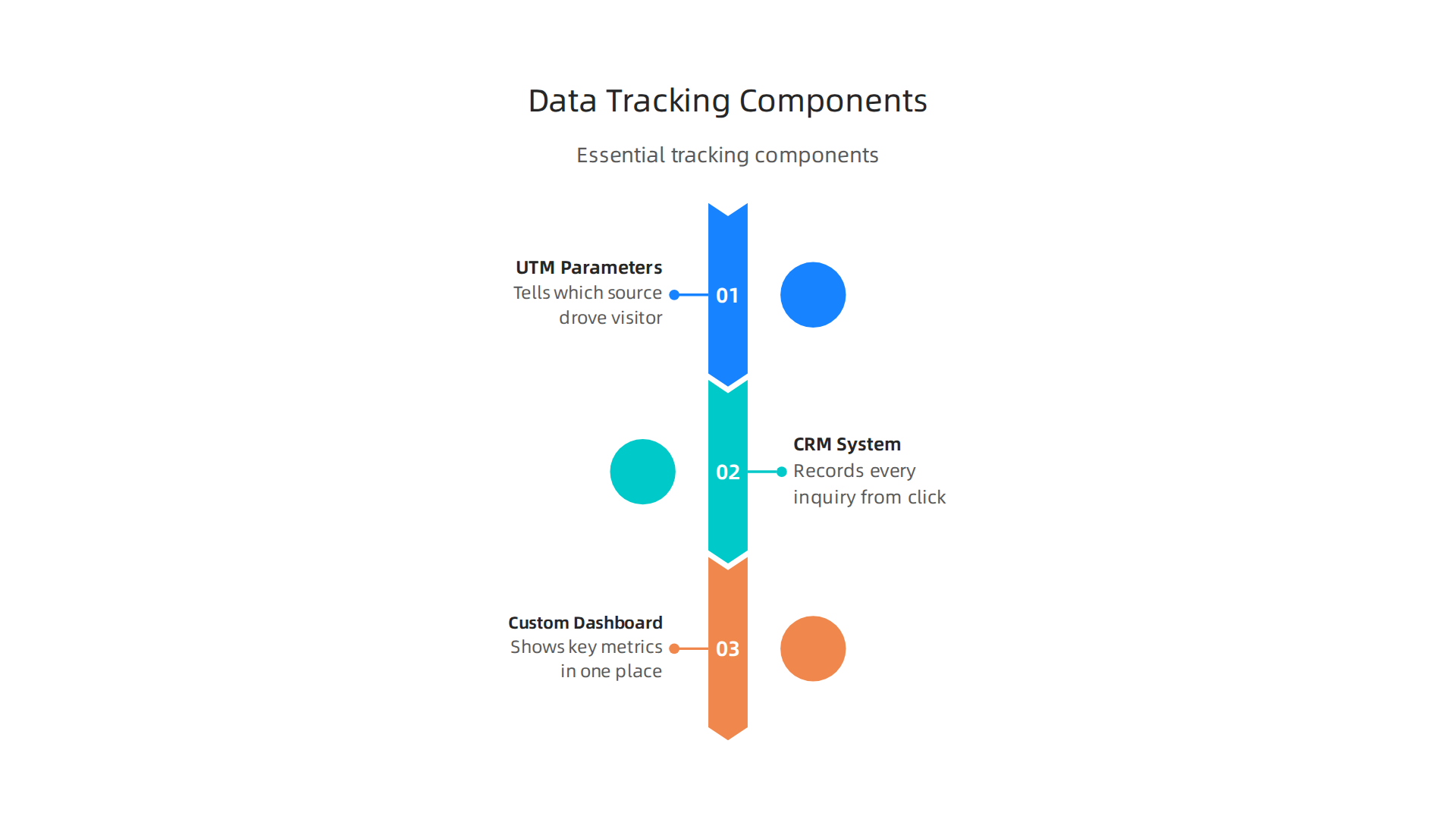
First, use UTM parameters on every link you share. This tells you exactly which email, ad, or social post drove a visitor. Second, connect a customer relationship management (CRM) system to your website and ads. A CRM records every inquiry so you can see the full journey from first click to final sale. Third, build a custom dashboard that shows your key metrics in one place. Platforms like Google Looker Studio or real estate specific tools can help you create this dashboard. Tailor it to Dubai’s unique buyer journey, which often includes multiple visits and long consideration times before a purchase. For real time market data that feeds your strategy, use a tool like Property Monitor to stay on top of price shifts.
Another smart move is competitive analysis. Look at the top Dubai real estate portals and developer websites. What content do they publish? Which property types do they focus on? Are there neighborhoods they ignore? You can find gaps to exploit with your own content. For example, if no one writes a detailed guide on villa living in a specific community, that is your chance. Optimizing your website for search engines with community focused pages and local guides is one of the best practices for real estate SEO in 2026. If you want to see how different developers stack up, check out our comparison of the top real estate companies in Dubai to identify which ones align best with your investment goals.
When you combine tracking, metrics, and competitive research, you stop guessing and start marketing with confidence. You will know exactly where to put your budget and which messages work best. This is what distinguishes a professional digital marketing strategy from a scatter shot approach. It saves you money and helps you close more deals. To take the next step in applying these ideas, learn how to find and evaluate properties step by step.
3. Content Marketing: Educating and Converting Dubai Real Estate Investors
Once your tracking and metrics are in place, you need content that speaks directly to what investors actually want. Here is the thing. High-intent investors in Dubai are not just browsing listings. They are searching for answers. They want to understand the difference between freehold and leasehold ownership. They worry about off-plan risks. They ask how rental management really works. If you answer those questions better than anyone else, you win their trust and their business.
This is what content marketing is all about. It is a marketing strategy built on education, not sales pitches. And in 2026, it is one of the most powerful ways to generate qualified leads.
Think about what a smart investor looks for. Someone from the UK considering a villa in Dubai Hills does not just want to see photos. They want a detailed guide that explains the community, the school options, the expected rental yield, and how the buying process works for foreigners. That kind of content turns a casual browser into a serious lead.
The most effective formats for Dubai real estate content include three types.
First, SEO-optimized blog posts that target specific questions. Creating community-focused pages and publishing local guides is a best practice that helps you rank in search engines, as outlined in the latest real estate marketing strategies. Second, downloadable market reports that show you understand the numbers. These work especially well for high-net-worth individuals who want data before they talk to anyone. Third, interactive tools like asset calculators or mortgage calculators. These let investors play with numbers themselves, which builds confidence.
This kind of marketing strategy works because it aligns with how people actually make decisions. They research, they compare, they learn. Your content should be there at every step. For real-time data to back up your content with accurate numbers investors demand, a tool like Property Monitor can be invaluable.
Another critical piece is localization. Dubai attracts buyers from all over the world. A British investor cares about different things than an Indian investor or a Russian investor. British buyers often compare Dubai property to London prices. Indian investors focus on long-term capital growth and family needs. Russian buyers look for stable markets and clear ownership laws. Your content should speak to each audience in their own language, both literally and culturally. This means writing separate guides tailored to each group while always addressing Dubai-specific regulations. Using a targeted marketing strategy that includes email outreach with localized content can dramatically improve your conversion rates.
If you are looking for a starting point, focus on the topics that create the most anxiety. Off-plan vs ready properties. Service charges and hidden costs. Visa implications of property ownership. Rental yield comparisons across communities. When you solve those worries with clear, honest content, you become the expert they trust.
To apply this approach, pick one investor type and one neighborhood. Write a complete guide that answers every question they might have. Then promote it through email and social media. This focused marketing strategy will bring you better leads than a generic listing page ever could. For a deeper dive into how to structure your property search from scratch, take a look at our step-by-step guide to finding properties in Dubai.
4. Social Media and Paid Advertising for Dubai Property
You have written guides that answer investor questions. You have built tracking to measure what works. Now you need to get that content in front of the right people. That is where social media and paid advertising come in.
Think about how different investors use different platforms. A young professional looking for a first apartment in Dubai Marina might scroll Instagram every night. A high-net-worth investor comparing off-plan projects might read LinkedIn articles during the workday. A Chinese buyer researching Dubai property might be active on WeChat. You cannot use one platform for everyone. You need a multi-platform strategy that matches the habits of each audience.
Here is the thing. A solid digital marketing plan uses paid ads to speed up results. Organic content takes time. Paid ads put your listings and guides directly in front of investors who are ready to act. The key is precise targeting.
Getting the Most from Paid Ads
Google Ads and Facebook Ads work well for real estate, but they work best when you target carefully. On Google, you want to bid on keywords like "Dubai off-plan investor" or "best rental yield Dubai 2026." These phrases show that the person searching has high intent. According to the latest Google Ads benchmarks for 2026, real estate display ads achieve a click-through rate of 1.08%, which is the highest of any industry. That makes sense. People searching for property are usually serious about buying.
On Facebook and Instagram, you can target by location, income level, and interests. For example, you can show ads to people in London who follow luxury travel pages and have shown interest in Dubai real estate. The cost per click for real estate on Facebook has gone up. It averaged about $1.12 in early 2026, compared to $0.84 a year earlier. This means you need to be smart about your budget. You want quality over quantity.
LinkedIn is another option, especially for B2B investors or people looking at commercial property. The targeting options are different, but the intent is often higher because users are in a professional mindset.
Why Retargeting Matters
Here is a big opportunity that many people miss. Most visitors to your website will not contact you on their first visit. They will look at a guide, read about a community, then leave. That is normal. But if you do not follow up, you lose them.
Retargeting solves this. When someone visits your property guide page or downloads a buyer’s checklist, you can show them ads later. These ads remind them of what they looked at. The real estate industry sees an average conversion rate of 4.7% across all marketing channels, with paid search at 3.2%. Retargeting pushes that number higher because you are talking to people who already know you.
You can also build lookalike audiences. These are new people who share the same traits as your best leads. If someone downloaded your free guide on off-plan properties, you can find other users like them. This is one of the smartest ways to spend your ad budget.
Making It Work for Dubai
Different platforms matter for different buyer groups. British investors often respond well to Instagram and Google. Indian investors might engage more on Facebook and WhatsApp. Chinese investors prefer WeChat and local platforms. Your advertising strategy should match these habits.
If you are starting small, pick one platform and one buyer type. Run ads to your best guide or video. Then add retargeting to bring people back. This focused marketing strategy will give you better results than spreading your budget across five platforms.
For a complete list of properties worth advertising, check out our property finder for villas for sale in Dubai. It will give you a strong starting point for your ad campaigns.
5. Leveraging Video and Immersive Experiences for Dubai Real Estate
Paid ads get people to your website. But once they are there, you need to hold their attention. A photo gallery will not always do that. In 2026, investors expect more. They want to feel the space before they fly to Dubai.

This is where video and immersive experiences become the heart of your digital marketing plan.
Video Tours and Drone Footage Reduce Friction
Think about an off-plan luxury villa. The buyer might be sitting in London or Mumbai. They cannot walk through the front door. A standard photo leaves too many questions. A video tour answers them. You can show the flow of the rooms. You can open the curtains to show the light. Drone footage adds even more context. It shows the proximity to the beach, the pool, and the local school.
This content keeps investors on your page longer. It builds confidence. The real estate industry sees an average conversion rate of 4.7% across all channels, according to 2026 marketing benchmarks. Video content directly supports that kind of performance by giving investors the details they need to say yes. It reduces the friction of buying a property sight unseen.
Live Streaming Builds Real Trust
Live streaming is another powerful tool. Go live on Instagram or YouTube. Take viewers on a real-time tour of a new development in Dubai Creek. Answer their questions on the spot. What is the view like from the 20th floor? How close is the nearest metro station? This showcases your expertise instantly.
It shows you are transparent. You have nothing to hide. This human connection is something a PDF brochure can never create. If you want to showcase your deep knowledge of local developers, make sure you compare the top real estate companies in Dubai so you can answer investor questions with confidence.
Visualizing Returns with Virtual Staging and Data
Here is the thing. Investors buy with their hearts and their heads. Virtual staging speaks to the heart. It fills an empty room with furniture and color. It helps them picture their life there.
ROI calculators speak to the head. You can embed these tools next to your video content. As someone watches a tour of a studio in JLT, they can see the estimated rental yield pop up. This combination is very effective. You are helping them imagine the lifestyle while proving the financial upside. It is a complete marketing strategy that works.
To make this work, you need the right data. Tools like our property monitor help you track real-time market trends so you can give accurate answers during your tours.
Start small if you need to. Pick your best listing. Film a simple walkthrough on your phone. Go live for 15 minutes answering questions. You will see the difference it makes compared to just posting photos. For a full list of properties that deserve this treatment, read our step-by-step guide on how to find property in Dubai.
6. Email Marketing and Lead Nurturing for Long-Term Investor Relationships
You just watched a stunning drone tour of a Dubai villa. The views were incredible. The numbers looked good. But you are not ready to hand over your money yet. You want to think it over. Maybe you need to talk to your partner. Maybe you want to watch the market for a few weeks.
This is where email marketing becomes your secret weapon.
Most investors do not buy a Dubai property in one day. The decision cycle can take months. They research. They compare. They wait for the right moment. If you stop talking to them after that first video, you lose them. Email keeps the conversation going.
Why Email Delivers High ROI
Email is not dead. In fact, it is one of the most powerful channels in your digital marketing toolkit. According to 2026 benchmarks from ActiveCampaign, the real estate industry sees average open rates around 39.87%. That is huge. Compare that to social media posts that might reach only a fraction of your followers.
The key is to nurture leads over time. You are not just selling a property. You are building trust. You are teaching them about the market. You are showing them why Dubai makes sense for their portfolio.
Segment Your List for Better Results
Not every investor is the same. Some want a AED 2 million apartment in Dubai Marina. Others want a luxury villa in Emirates Hills. Some are looking for high rental yields. Others care about capital appreciation.
You need to segment your email list based on what each person cares about. Start with simple questions:
- What is their budget?
- What is their timeline?
- Are they looking for off-plan or ready property?
Once you know that, you can send the right content to the right people. A buyer interested in off-plan villas should not receive updates about studio apartments in JLT. That just annoys them.
Build Automated Workflows
You do not have to write every email by hand. Use automation. When someone downloads a market report or watches a video tour, trigger a sequence. Send them related properties. Send them market updates. Send them testimonials from other investors who bought in the same area.
For example, if someone watches your video on the best areas for rental yields in 2026, follow up with specific data. You could cite recent trends like the 12.88% year-on-year increase in the REIDIN Residential Sales Price Index to show your knowledge. Then offer a deeper analysis.
Automated workflows keep your brand top of mind without extra work. They also help you convert leads faster.
Stay Compliant with UAE Data Laws
Here is something you cannot ignore. The UAE has a Personal Data Protection Law (PDPL). You must get clear opt-in consent before sending marketing emails. Do not buy lists. Do not add people without permission.
Good compliance builds trust. It also keeps your emails out of spam folders. When someone signs up for your newsletter, be clear about what they will receive. That honest marketing strategy pays off in the long run.
A Simple Way to Start
If you are new to email nurturing, start small. Create one automated sequence for people who inquire about off-plan properties. Send three emails:
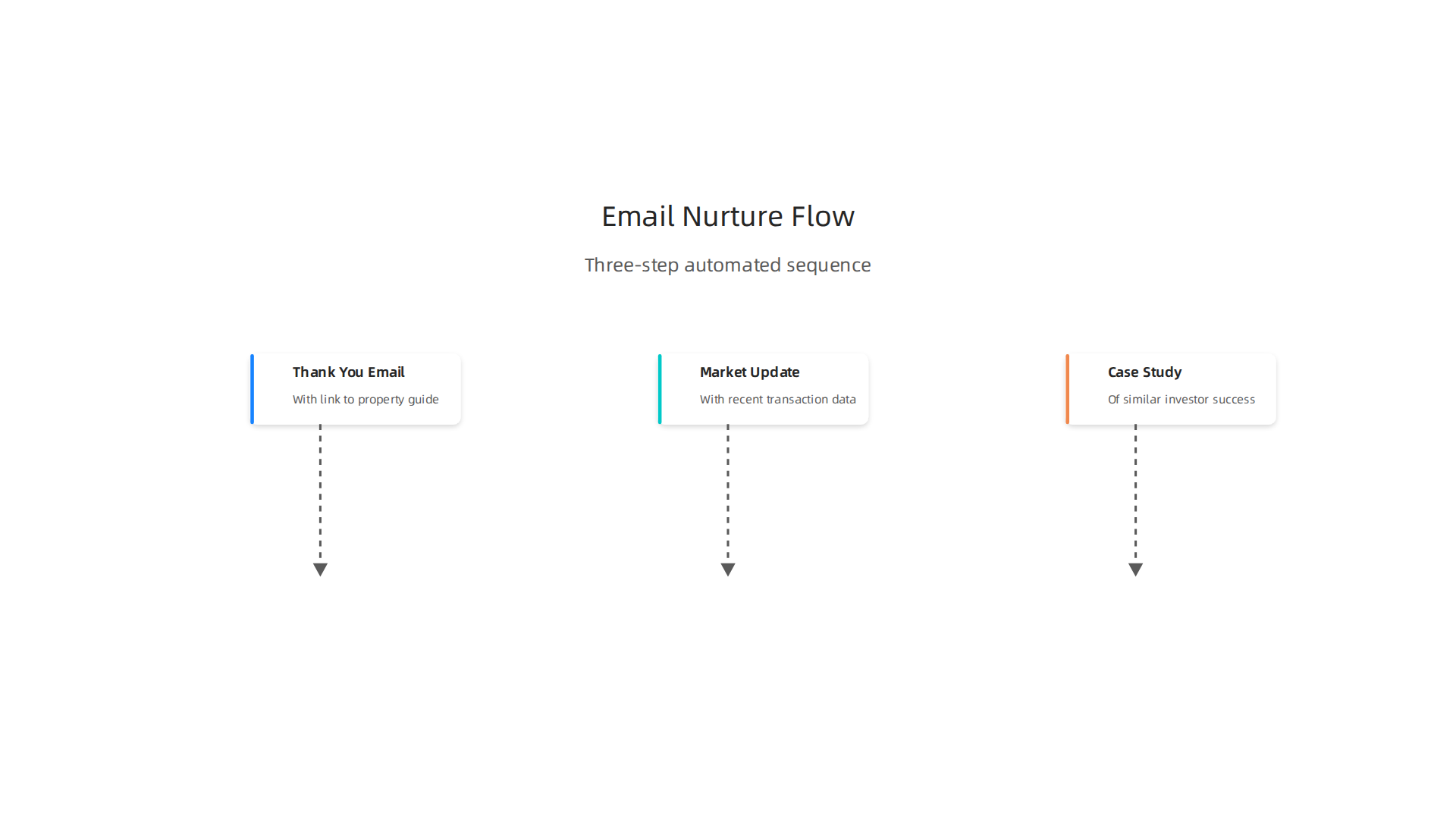
- A thank you with a link to a property guide
- A market update with recent transaction data
- A case study of a similar investor
Then track your click-through rates. In 2026, real estate email click-through rates in the MENA region average between 2.8% and 4.0%, according to industry benchmarks. If you beat that, you are doing well.
For the investors who engage most, offer a personal consultation. That is where deals happen.
If you want to see which properties get the most inquiries from engaged investors, check out our property monitor for live demand data. It will help you decide what to feature in your next campaign.
7. Measuring Campaign Success: Analytics and Continuous Optimisation
So you have set up your email nurturing workflows. You are running ads. You are posting on social media. But how do you know if any of it is actually working? You need to measure your campaign success. Without data, you are just guessing.

And in Dubai’s competitive real estate market, guessing can cost you a lot.
Go Beyond Basic Metrics
Most people look at likes, shares, and open rates. Those are vanity metrics. They feel good but do not tell you if you are making money. What matters more is the real business impact. According to a 2026 guide on real estate lead generation, tracking cost per lead by source helps you see exactly where your money works best. That is the first step.
But there is more. You need to understand which touchpoints actually lead to a sale. That is where attribution models come in. A first-touch model gives all the credit to the first click. A multi-touch model spreads credit across every interaction. For a long sales cycle like Dubai property, multi-touch is more accurate. As noted in this marketing attribution guide for 2026, multi-touch models can improve budget allocation by 37%. That is a huge difference. You want to know whether the investor found you through a YouTube tour, an email, or a Google ad.
Another key metric is pipeline velocity. How fast do leads move from first contact to closed deal? If your pipeline is slow, something is off. Maybe your follow-up needs work. Maybe your pricing is unclear. Measuring velocity helps you spot those bottlenecks.
A/B Test Everything
Dubai’s ad costs can be high. You cannot afford to waste money on bad ads. That is why A/B testing is essential. Test your landing page headlines. Test your ad copy. Test your call to action buttons. Even small changes can lift your conversion rate. For example, one real estate marketing agency found that changing a single CTA from "Learn More" to "Get Your Free Report" boosted clicks by over 20%.
Do not guess. Test one variable at a time. Run each test until you have enough data to be confident. This is part of a strong marketing strategy that uses continuous improvement.
Watch Your Competition
Your competitors are also trying to attract investors. You need to know what they are doing. Use tools like SEMrush or Ahrefs to see which keywords they rank for.
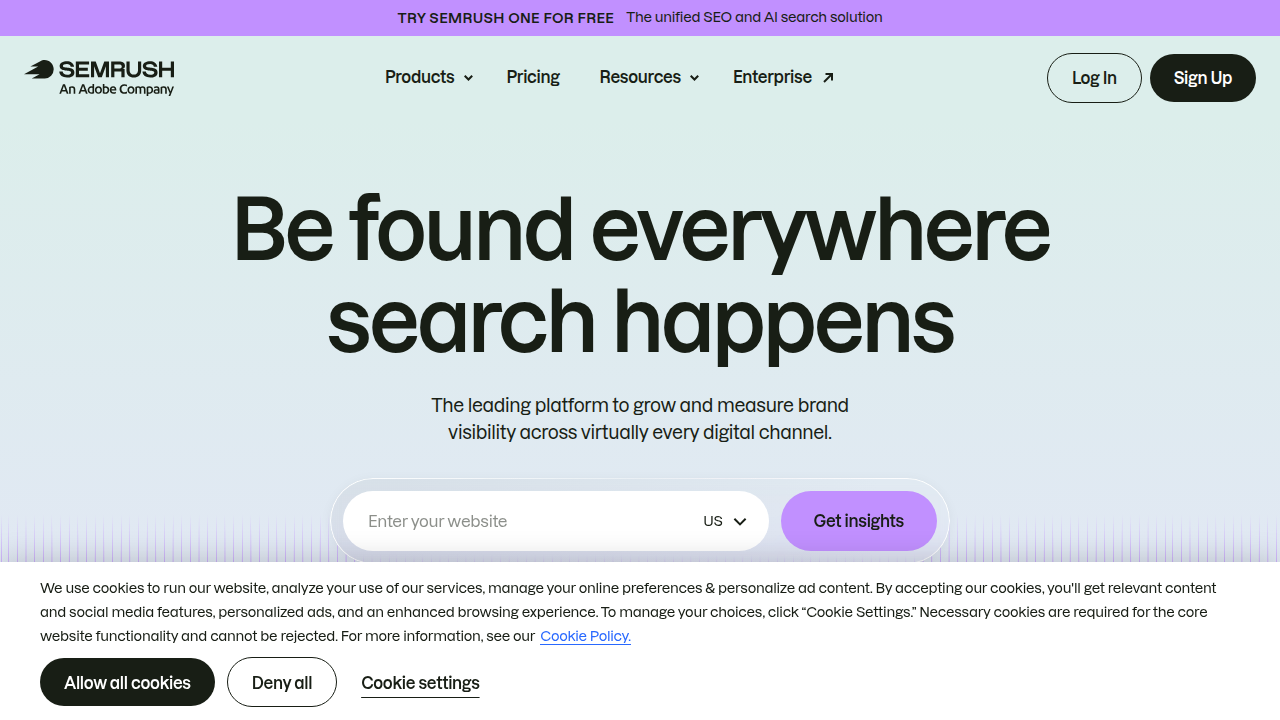
Look at their ad copy. What offers are they making? What gaps exist in their content? For example, if they focus on luxury villas but ignore off-plan apartments, that is your opening.
Make sure the tool you use has a Dubai specific database. Not all tools cover the UAE market well. According to this article on real estate marketing strategies for 2026, regularly reviewing competitor keyword gaps and ad copy helps you stay ahead.
Build a Feedback Loop
Measuring is not a one time task. You need to review your data weekly or monthly. Use what you learn to adjust your campaigns. Maybe one email subject line works better. Maybe a certain property type gets more inquiries. Feed that information back into your next campaign.
For investors looking for real time data to guide their decisions, check out our property monitor. It shows which properties are getting the most attention right now. That can help you decide what to feature in your next ad or email.
When you measure the right things and keep optimizing, your digital marketing becomes a machine that works for you.
Summary
This guide explains how to use digital marketing as a practical research and deal-finding system for Dubai real estate in 2026. It walks through current market dynamics—high transaction volumes, moderating price growth, and typical rental yields—and shows how to combine authoritative data (Dubai Land Department, Property Monitor) with tracking, SEO, content, paid ads, video and email to attract and convert qualified investors. You will learn how to set up UTMs, CRMs and dashboards, craft investor-focused content for different national audiences, run targeted ad and retargeting campaigns, use video and virtual staging to reduce buying friction, and build automated email workflows while staying PDPL-compliant. The article also covers measurement: which metrics matter, how to A/B test, and how to use attribution to optimise budget. By the end you’ll have a clear, repeatable marketing process to find better deals, lower acquisition costs, and convert long sales-cycle property leads in Dubai.